
CENTRO TÉCNICO 15 Oct · 7:44 am
Technical Overview & Application Guide
— Front End Accessory Drive · Torsional Vibration Control —
1. What is a FEAD System?
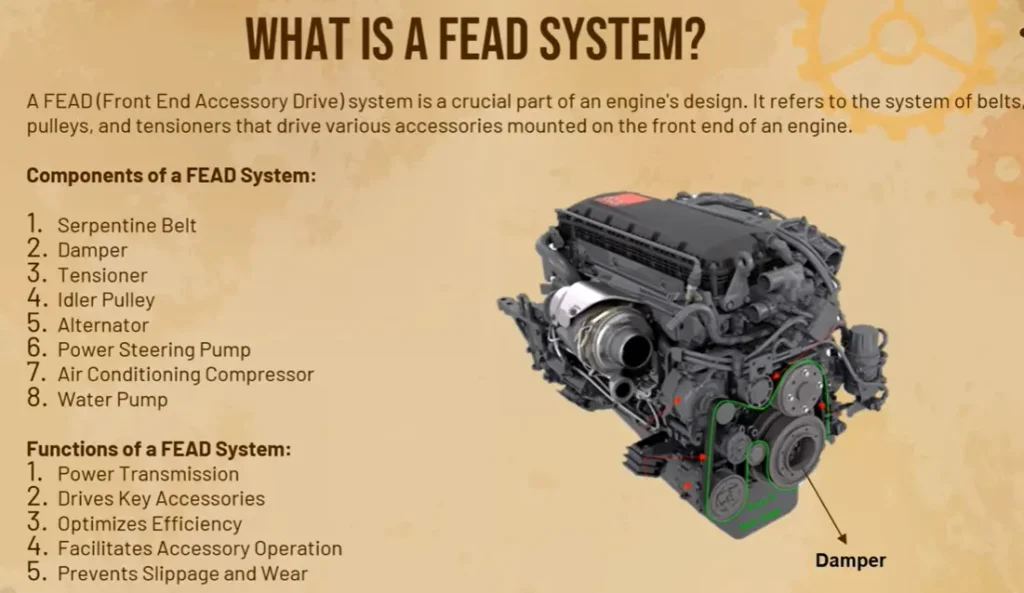
Fig.1 FEAD (Front End Accessory Drive) System Diagram
A FEAD (Front End Accessory Drive) system is a crucial part of an engine’s design. It refers to the system of belts, pulleys, and tensioners that drive various accessories mounted on the front end of an engine.
1.1 Components of a FEAD System
- Serpentine Belt
- Damper
- Tensioner
- Idler Pulley
- Alternator
- Power Steering Pump
- Air Conditioning Compressor
- Water Pump
1.2 Functions of a FEAD System
- Power Transmission
- Drives Key Accessories
- Optimizes Efficiency
- Facilitates Accessory Operation
- Prevents Slippage and Wear
2. What is a Damper?
Fig.2 Damper (Harmonic Balancer / Crankshaft Damper)
An FEAD damper, also known as a harmonic balancer, crankshaft damper, or torsional vibration damper, is a crucial component of an internal combustion engine’s accessory drive system. Its primary role is to reduce vibrations and torsional oscillations in the engine’s crankshaft.
2.1 Common Features
- Viscoelastic Material: A layer of rubber or elastomer between the outer ring and inner hub absorbs and dissipates vibrations and torsional forces.
- Two-Piece Design: An outer ring and inner hub move relative to each other to absorb vibrations and reduce crankshaft stress.
- Crankshaft Pulley Integration: The damper often incorporates the crankshaft pulley, which drives engine accessories.
- Balancing & Alignment: High-quality dampers are precisely balanced and aligned for smooth operation.
- Durability & Material: Outer ring and other components are typically made from steel or aluminum.
3. Types of Dampers
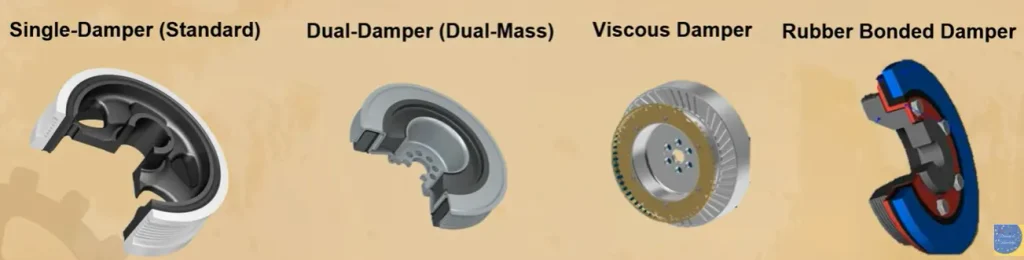
Fig.3 Four Damper Types: Single / Dual-Mass / Viscous / Rubber Bonded
Fig.4 Detailed Description of Damper Types
| Type | Description | Solicitud |
| Single-Damper (Standard) | Most basic type: a single solid mass with a bonded rubber/elastomer layer. Absorbs basic vibrations; limited effectiveness in high-performance use. | Standard passenger vehicles where high performance is not a primary concern. |
| Dual-Damper (Dual-Mass) | Two separate masses separated by viscoelastic material/rubber; move independently to absorb different vibration frequencies. | Performance vehicles and heavy-duty trucks requiring enhanced vibration control. |
| Amortiguador viscoso | Filled with high-viscosity silicone fluid; absorbs and dissipates vibrations through shear forces across a wide frequency range. | High-performance engines, racing, marine and construction machinery. |
| Rubber Bonded Damper | Rubber/elastomeric material bonded between outer ring and inner hub; flexible and simpler than viscous dampers. | Low-to-moderate vibration; common in passenger-car aftermarket. |
3.1 Customer-Value Matrix by Application
| Solicitud | Core Pain Point | Damper Type | Key Value |
| Passenger Car Aftermarket | Rubber aging, fragmented SKUs, price-sensitive | Rubber / Silicone-oil | Full coverage, fast delivery, cost-effective |
| Off-Road / Overlanding | Stock rubber overheats under crawling/tuned engines | Silicone-oil / Composite | Performance upgrade, brand premium |
| Agricultural Machinery | Seasonal, severe load swings, downtime risk | Spring + Hydraulic-oil | Long life, wide temp range, maintenance-free |
| Marine Diesel | Salt spray, rare dry-dock, class certification | Silicone-oil / Dry-friction | Class certified, ultra-reliable |
| Construction Machinery | Dust, hydraulic shock, strict OEM/PPAP | Silicone-oil / Composite | Harsh-environment proof, overhaul-aligned |
| Industrial Drive | Unplanned downtime halts production | Silicone-oil / Smart monitor | Condition monitoring, predictable maintenance |
| Emergency Power | Must start reliably after long standby | Silicone-oil | No standby failure, transient protection |
4. Component Breakdown
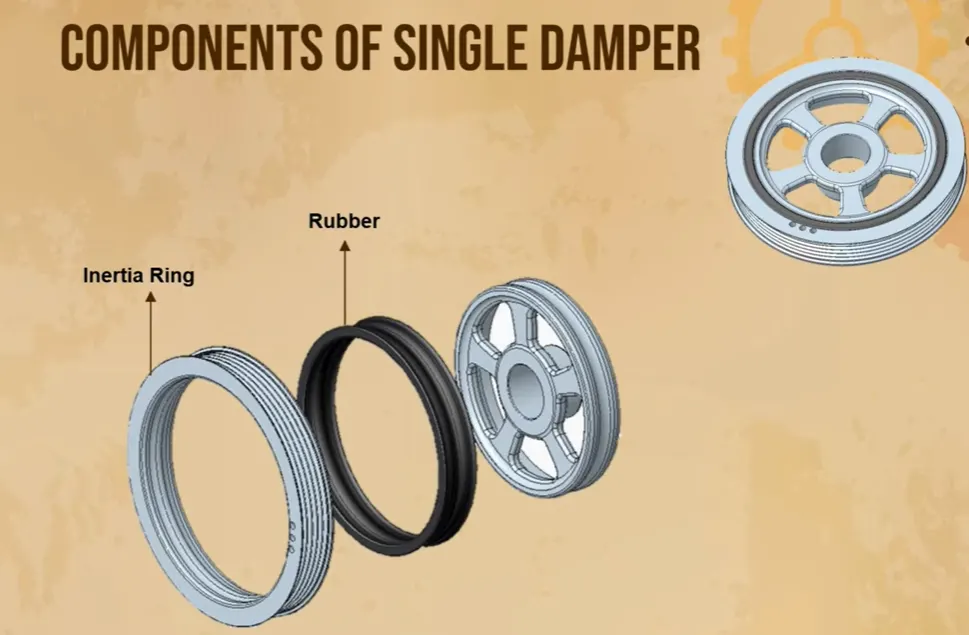
Fig.5 Single Damper Components: Inertia Ring / Rubber / Hub & Pulley
4.1 Components of a Single Damper
- Inertia Ring
- Rubber
- Hub & Pulley
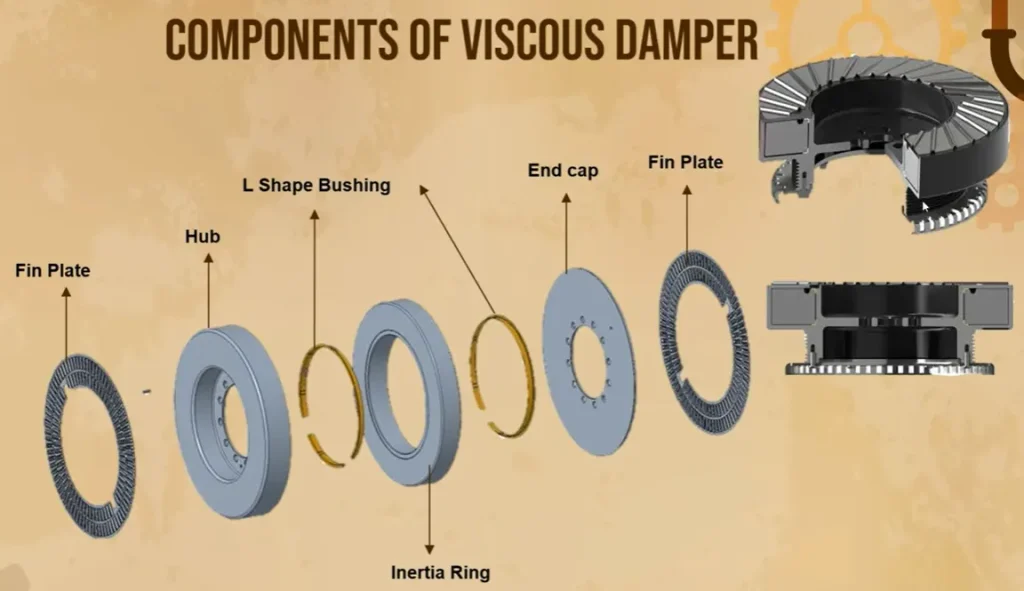
Fig.6 Viscous Damper Components: Fin Plate / Hub / L-Shape Bushing / End Cap / Inertia Ring
4.2 Components of a Viscous Damper
- Fin Plate
- Hub
- L-Shape Bushing
- End Cap
- Inertia Ring
The viscous damper is internally filled with high-viscosity silicone fluid; vibration energy is dissipated as heat through fluid shear and fin structures.
5. Function of the Damper
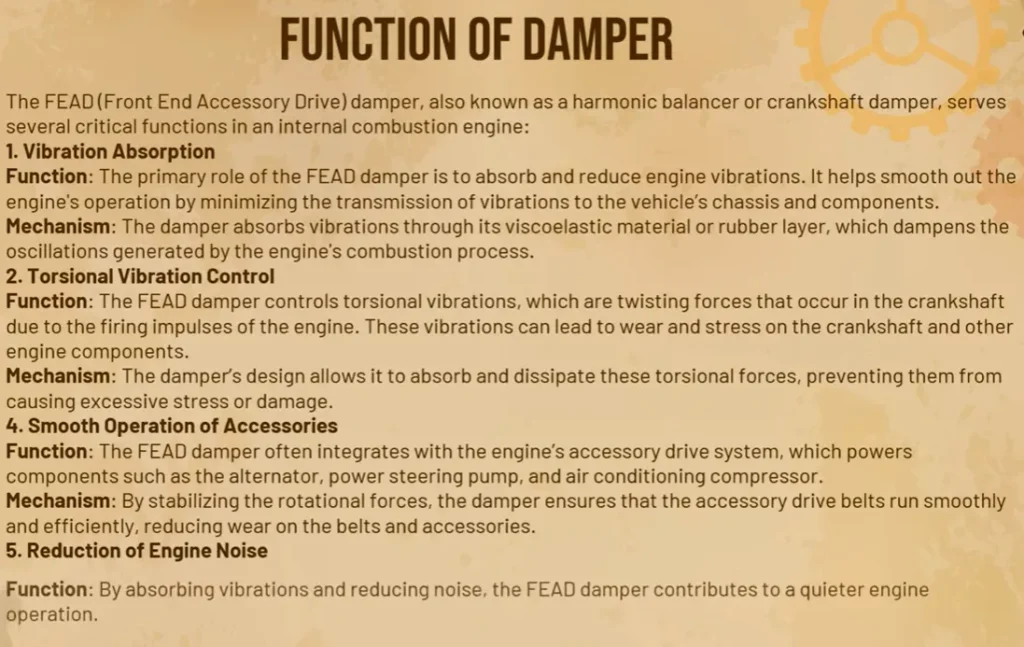
Fig.7 Five Key Functions of the Damper
5.1 Core Functions
- Vibration Absorption: Absorbs and reduces engine vibrations via viscoelastic/rubber layers, minimizing transmission to the chassis and components.
- Torsional Vibration Control: Controls torsional vibrations from firing impulses to prevent wear and stress on the crankshaft and engine components.
- Smooth Operation of Accessories: Integrates with the accessory drive system to stabilize rotational forces, ensuring belts and accessories run smoothly.
- Reduction of Engine Noise: Absorbs vibrations and reduces noise transmitted to the vehicle interior.
6. Working of the Damper
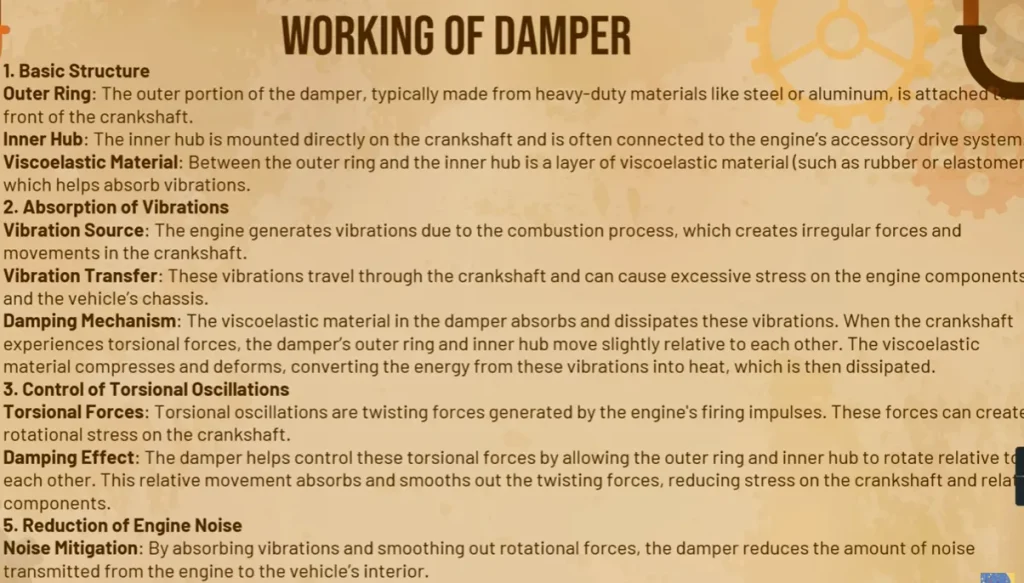
Fig.8 Working Principle: Structure / Vibration Absorption / Torsional Control / Noise Reduction
6.1 Working Mechanism
- Basic Structure: Outer ring (heavy-duty steel/aluminum, attached to crankshaft front) + inner hub (mounted directly on crankshaft, connected to accessory drive) + viscoelastic material between them.
- Absorption of Vibrations: Vibrations from combustion travel through the crankshaft; the viscoelastic material compresses and deforms, converting vibration energy into heat.
- Control of Torsional Oscillations: The damper allows the outer ring and inner hub to move slightly relative to each other, absorbing and smoothing out twisting forces.
- Reduction of Engine Noise: By absorbing vibrations and smoothing rotational forces, the damper reduces noise transmitted to the interior.
7. Symptoms of a Faulty Damper
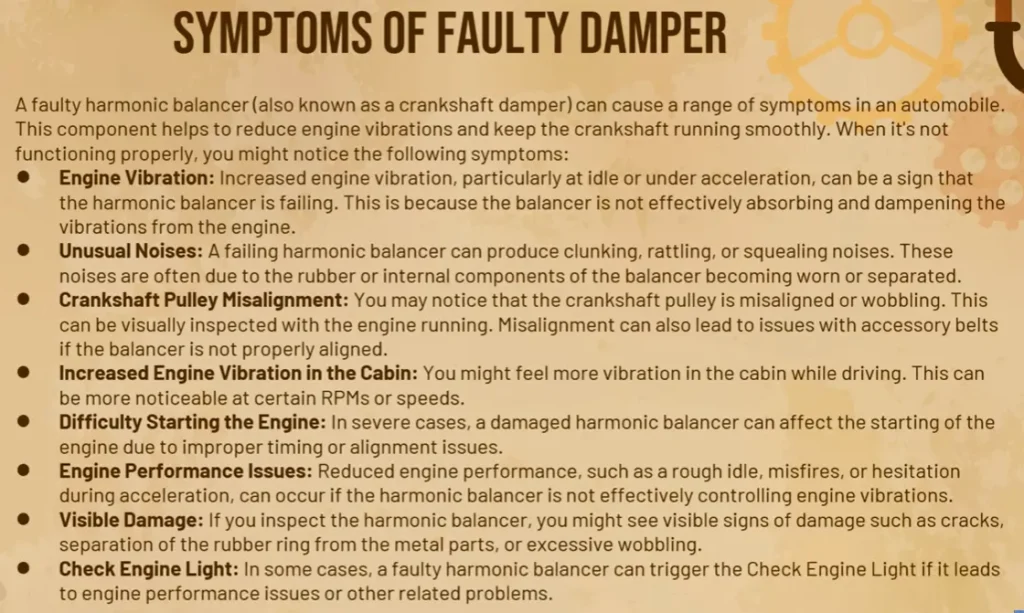
Fig.9 Eight Warning Signs of a Failing Harmonic Balancer / Crankshaft Damper
When the harmonic balancer (crankshaft damper) is not functioning properly, you might notice the following symptoms:
- Engine Vibration: Increased vibration, particularly at idle or under acceleration.
- Unusual Noises: Clunking, rattling, or squealing noises due to worn or separated rubber/internal components.
- Crankshaft Pulley Misalignment: Misaligned or wobbling pulley; may affect accessory belts.
- Increased Cabin Vibration: More vibration felt in the cabin at certain RPMs/speeds.
- Difficulty Starting: In severe cases, damaged damper can affect starting due to improper timing/alignment.
- Engine Performance Issues: Rough idle, misfires, or hesitation during acceleration.
- Visible Damage: Cracks, separation of the rubber ring from metal parts, or excessive wobbling.
- Check Engine Light: May trigger the warning light if it leads to engine performance issues.
8. Summary
In summary, an FEAD damper is a critical component for managing engine vibrations and ensuring smooth operation. When choosing or maintaining an FEAD damper, consider compatibility, quality, installation, and regular inspection to ensure optimal performance and protect your engine from potential damage.