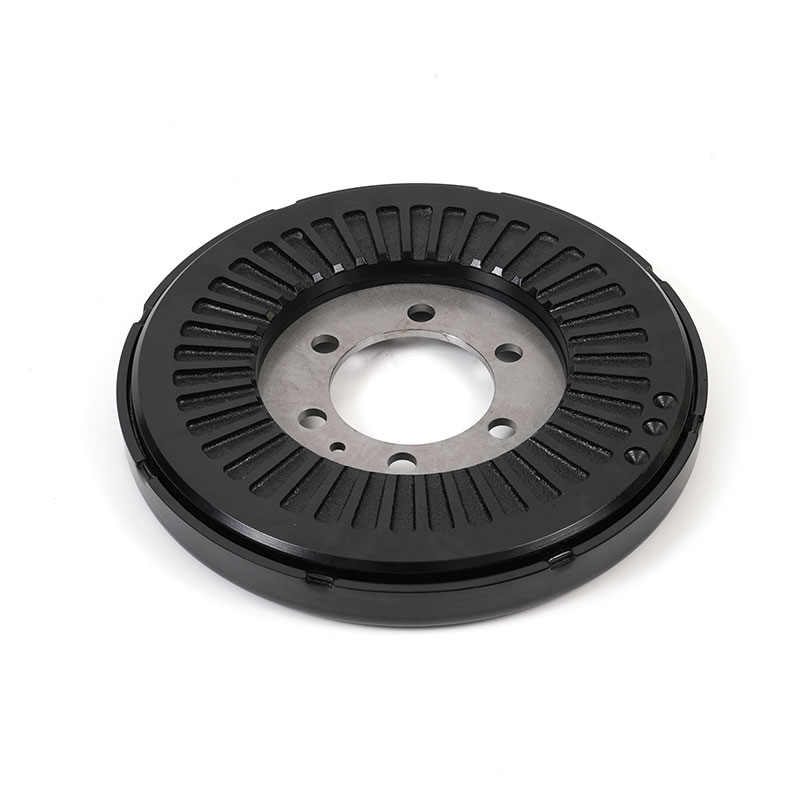
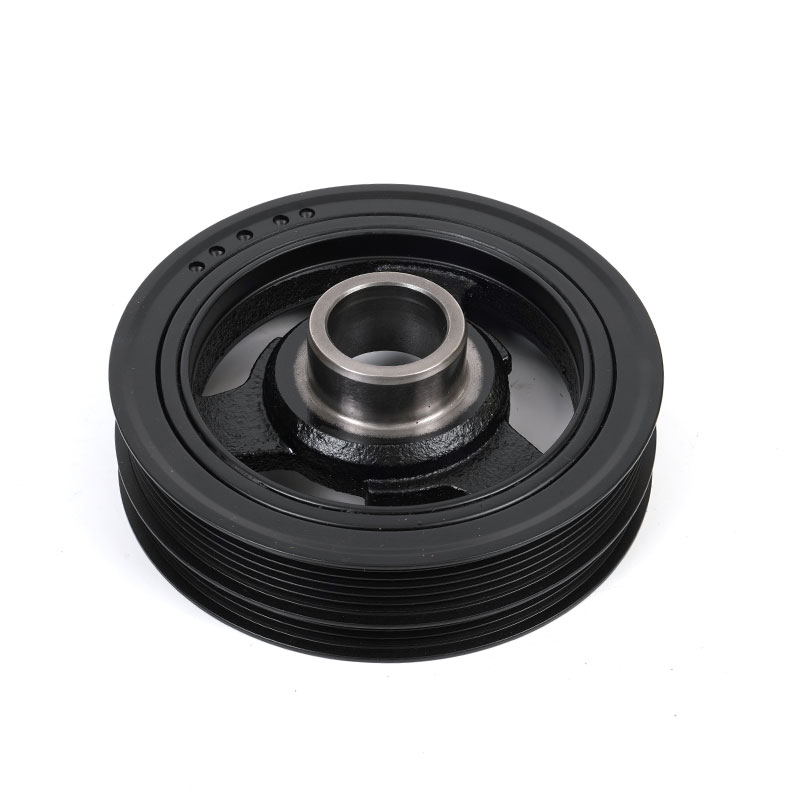
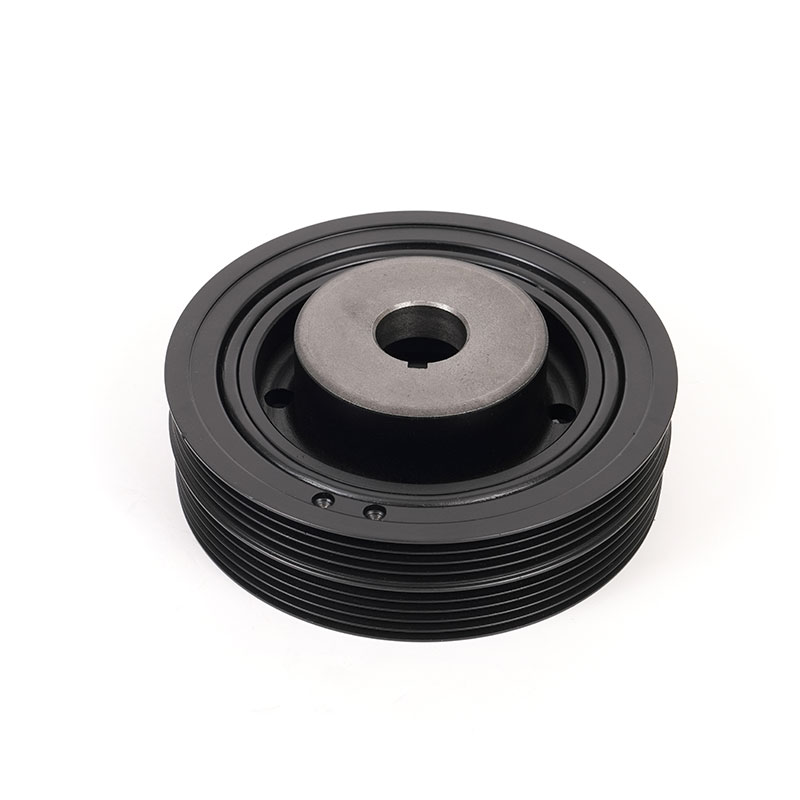
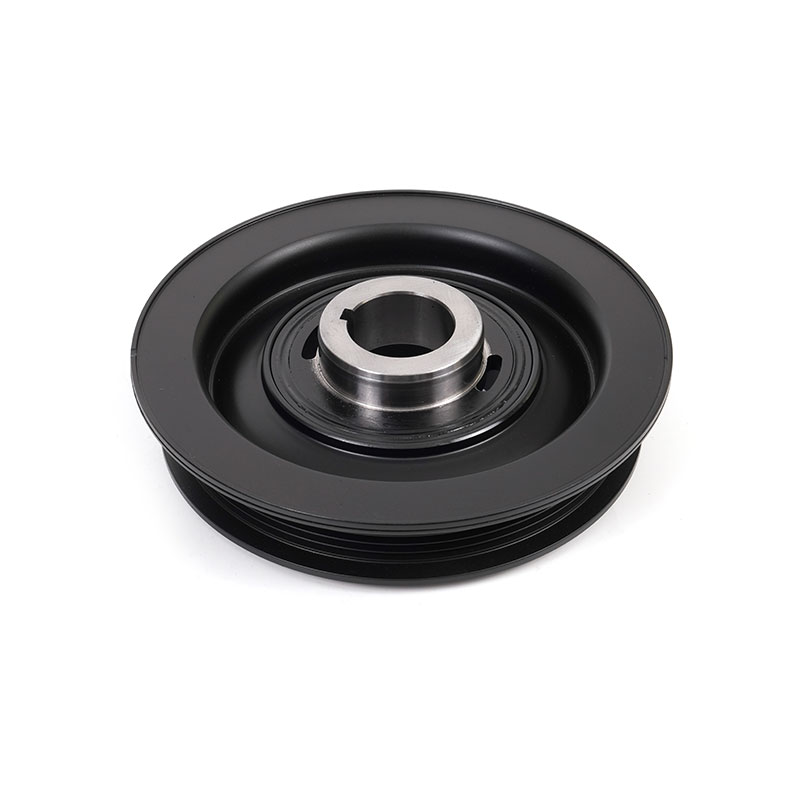
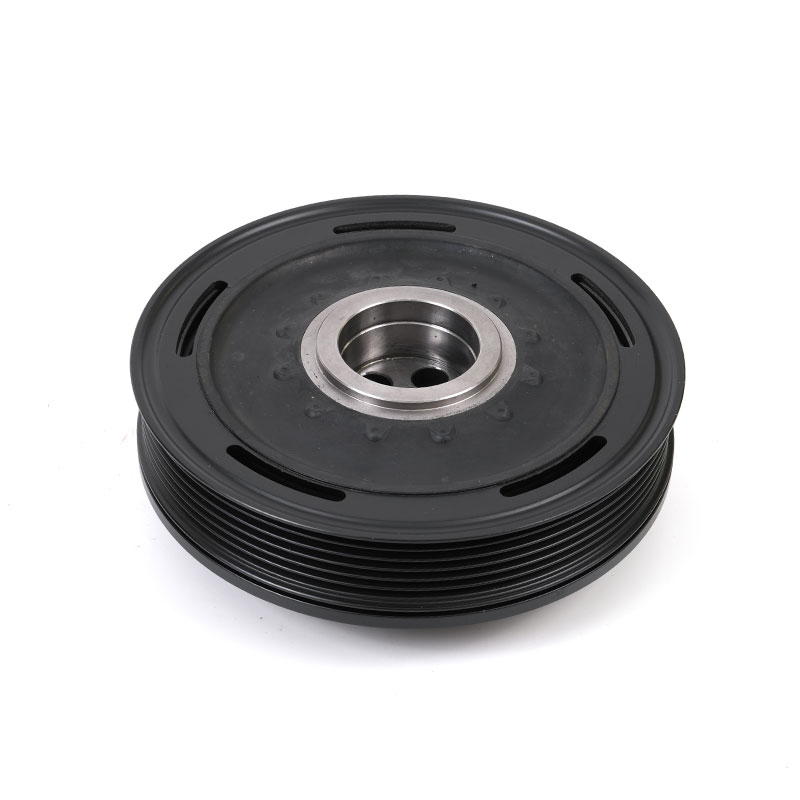
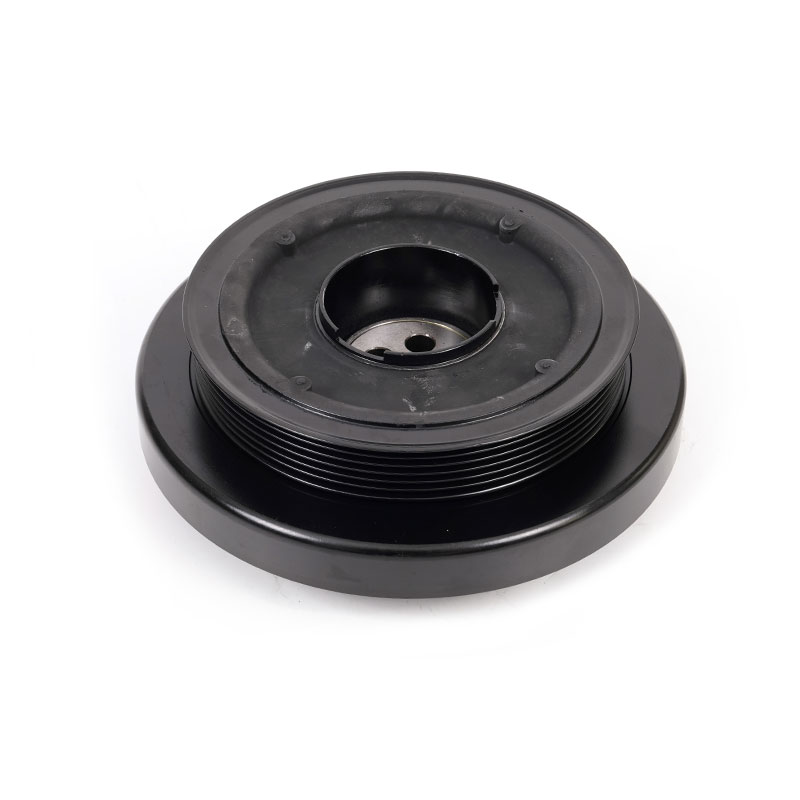
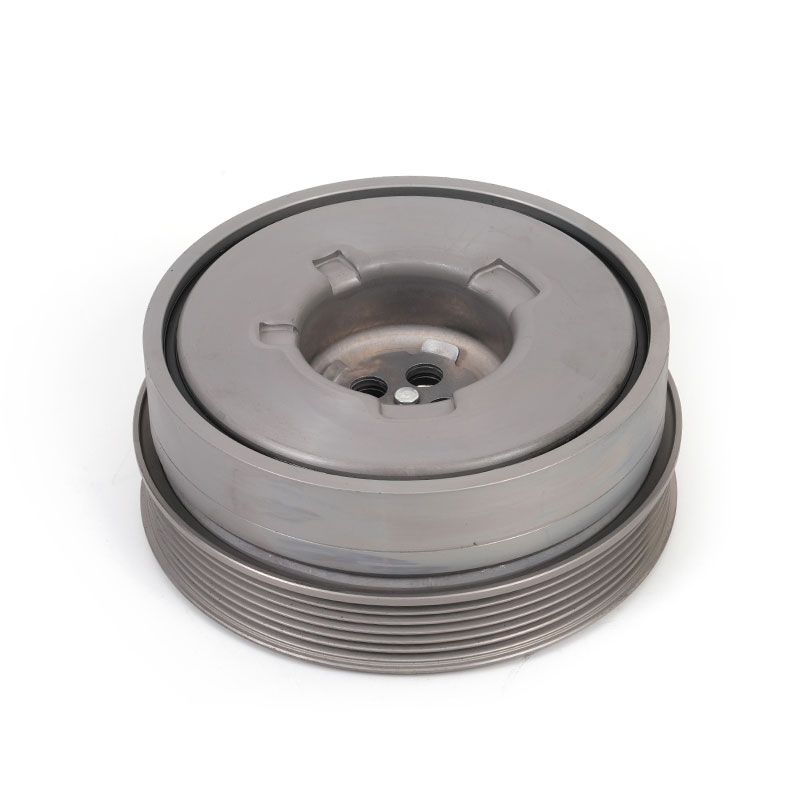
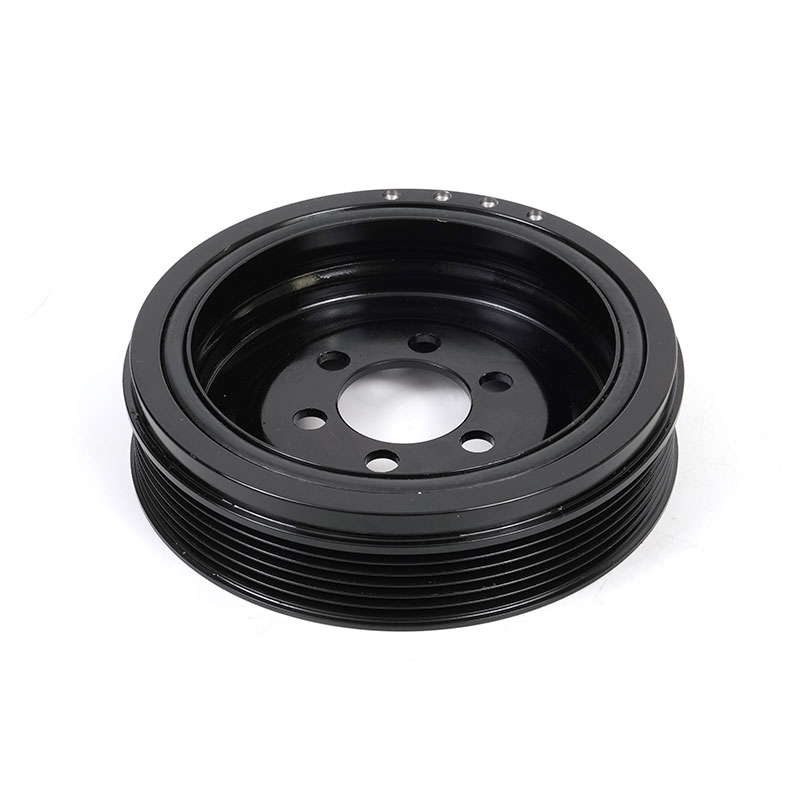
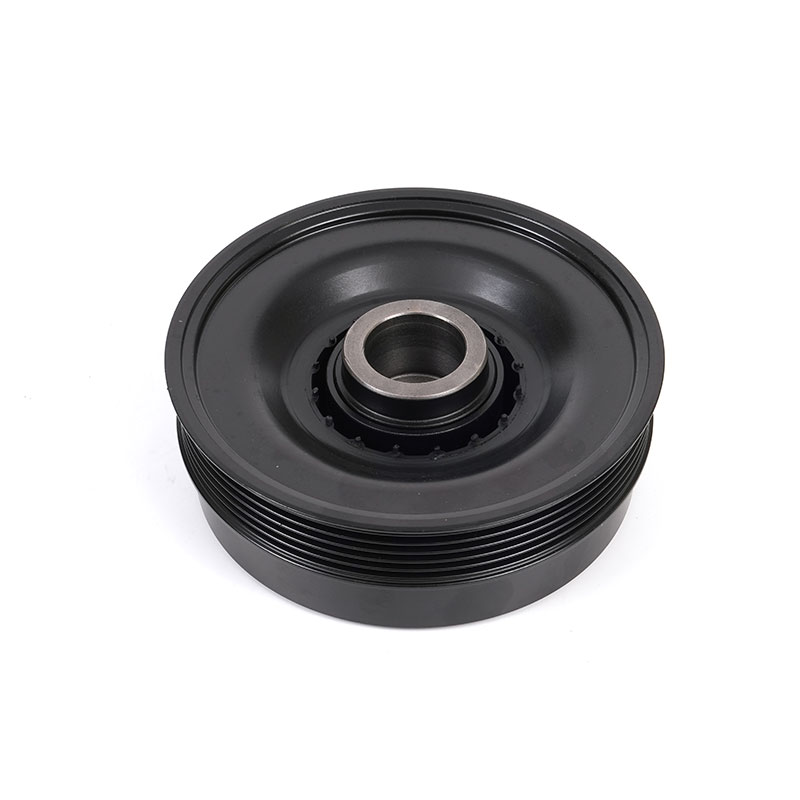
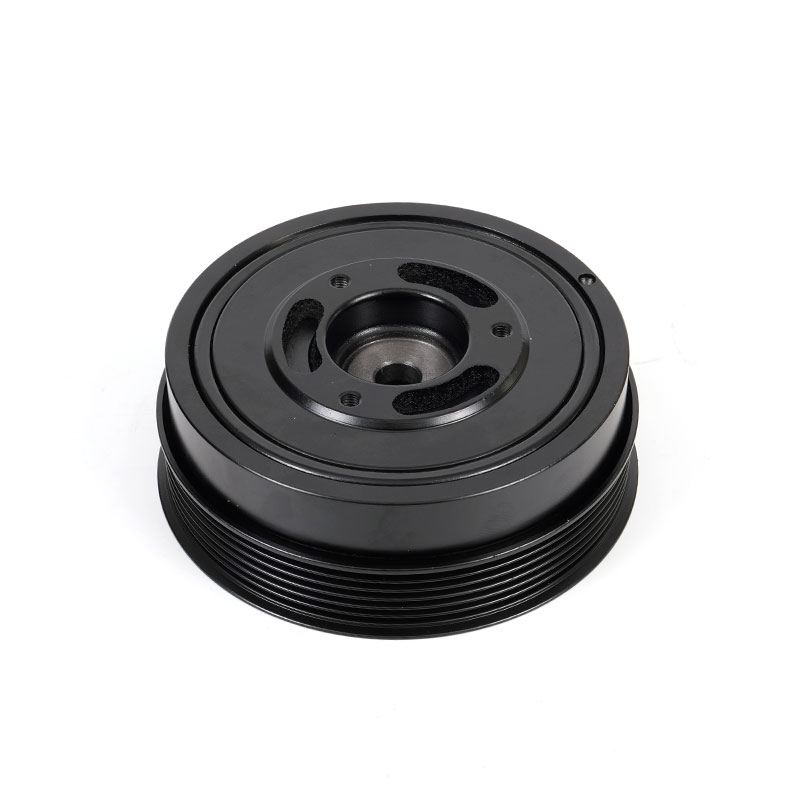
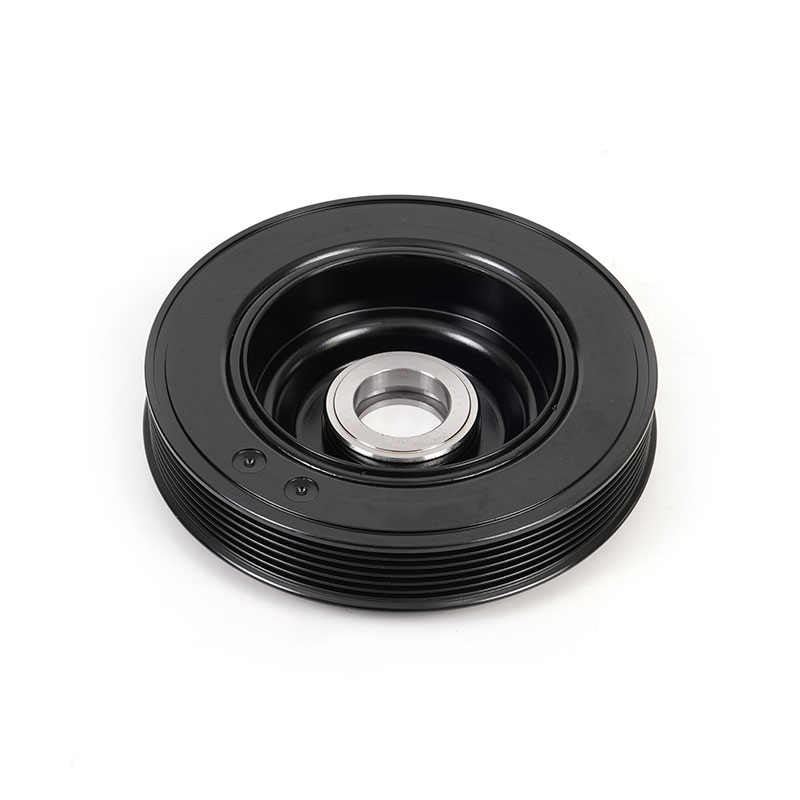
For B2B buyers sourcing vibration pulleys in bulk, technical consistency across batches is non-negotiable. A vibration pulley consists of three core elements: a hub that mounts to the crankshaft, a damping medium (elastomer rubber or viscous silicone fluid), and an outer ring with precision-machined belt grooves. Elastomer pulleys use bonded rubber to provide tuned-frequency damping, ideal for steady-speed applications like generators. Viscous fluid pulleys offer broadband damping across all RPM ranges, preferred for variable-speed heavy-duty truck and marine engines. The belt grooves must maintain exact alignment (typically within 0.5 mm runout) to prevent premature belt wear and accessory failures. Dynamic balance quality of G6.3 or better per ISO 1940 is standard for production units. When you partner with a reliable Wholesaler, you also gain access to detailed dimension drawings, OEM interchange numbers, and application guides that streamline your sales process.
Why Vibration Pulleys Fail: Common Failure Modes in Heavy-Duty Applications
Understanding how crankshaft pulleys fail helps fleet managers schedule preventive replacements. Elastomer rubber pulleys fail through rubber hardening (thermal aging), rubber cracking reaching the bond line, or complete de-bonding where the outer ring separates from the hub. Viscous fluid pulleys fail through seal leakage (visible fluid residue) or gradual fluid viscosity loss from shear degradation. Both failure types result in increased torsional vibration reaching the crankshaft, leading to accelerated bearing wear, gear train noise, and eventually crankshaft fracture. Regular inspection every 100,000 miles or annually is recommended for heavy-duty fleets.
Technical Specifications: How to Select the Correct Vibration Pulley
| Parameter |
Elastomer Vibration Pulley |
Fluid Viscous Vibration Pulley |
Critical for B2B Sourcing |
| Damping Bandwidth |
Narrow (tuned to specific engine order) |
Broad (effective across all RPM) |
Match application duty cycle |
| Temperature Range |
-30°C to 100°C (standard); -40°C to 130°C (HNBR) |
-40°C to 150°C (silicone fluid) |
Extreme environment suitability |
| Typical Service Life (heavy-duty) |
80,000-150,000 miles |
400,000-600,000 miles |
Total cost of ownership |
| Weight (typical 15L diesel) |
18-28 lbs (lighter) |
25-45 lbs (heavier due to fluid) |
Rotating mass consideration |
| Inspection Indicator |
Visible rubber cracks, bulging, hardness change |
Fluid residue, increased case temperature |
Preventive maintenance scheduling |
In-Depth Technical Analysis: Vibration Pulley Torsional Dynamics
The crankshaft pulley (vibration pulley) must be precisely tuned to the engine’s torsional characteristics. For a typical 6-cylinder diesel engine, the critical order is often the 3rd or 6th engine order. Using a vibration pulley with incorrect inertia or stiffness shifts the critical speed into the operating range, amplifying rather than reducing vibration. Engineers calculate the required inertia ratio (damper inertia ÷ crankshaft system inertia) which typically falls between 0.6 and 1.2 for optimal control. For a 400 hp engine with crankshaft inertia of 0.8 kg·m², the vibration pulley inertia should be 0.48 to 0.96 kg·m². Silicone fluid viscosity in viscous pulleys is specified between 10,000 and 100,000 centistokes at 25°C, with higher viscosity providing more damping but generating more heat. The shear gap between housing and inertia ring—typically 0.5 to 2.0 mm—directly affects fluid shear rate and heat dissipation. Advanced twin-chamber viscous pulleys separate the inertia ring into two masses, improving thermal management for sustained high-load operation such as mining haul trucks or marine propulsion. When sourcing from a Factory with in-house engineering, B2B buyers can request custom tuning for specific engine modifications like increased horsepower or lightweight flywheels.
B2B Sourcing Checklist for Vibration Pulleys and Crankshaft Dampers
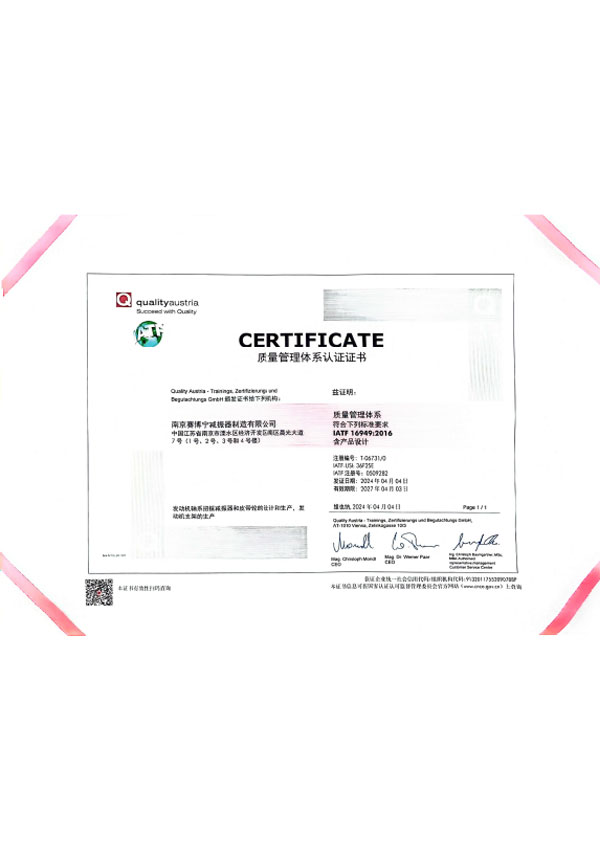
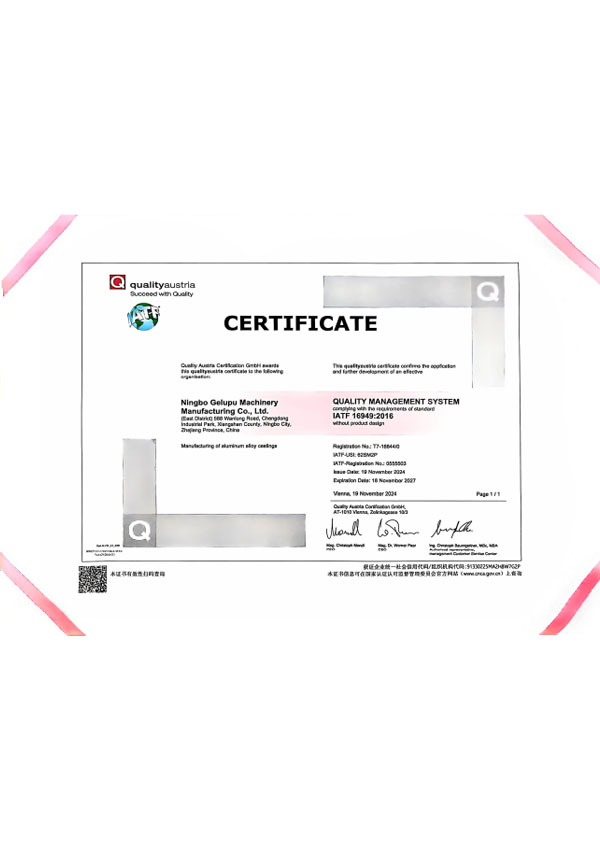
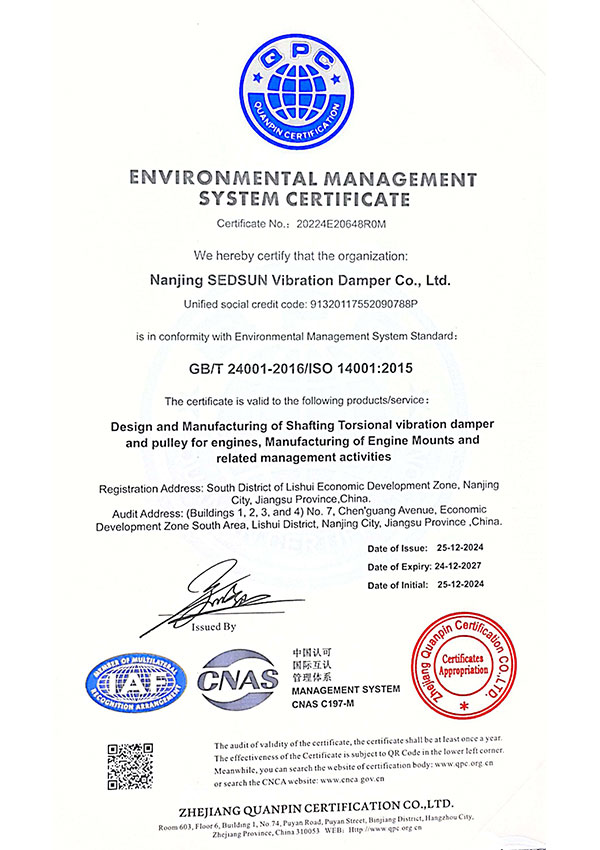
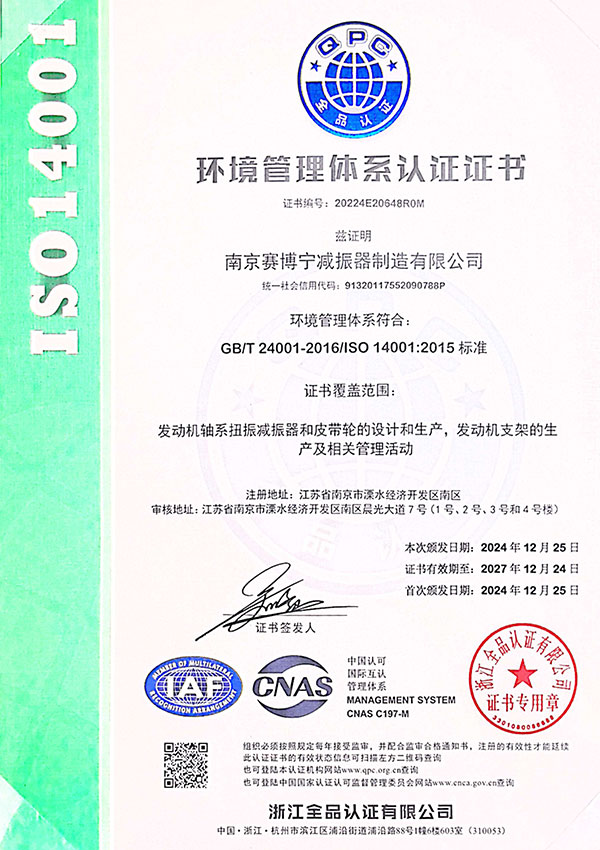
- Verify IATF 16949 or ISO 9001:2015 certification with scope covering vibration pulley manufacturing.
- Request dimensional drawings: hub bore, pilot diameter, bolt pattern (number, bolt circle, thread size), overall diameter, belt groove count and profile.
- Confirm dynamic balance quality (ISO 1940 G6.3 or better) and request balance reports.
- For elastomer pulleys: specify rubber compound (natural, HNBR, silicone) based on operating temperature.
- For viscous pulleys: request fluid viscosity certification and seal integrity test reports.
- Check OEM cross-reference: ensure supplier maintains database for Cummins, Detroit, Caterpillar, PACCAR, Volvo, Mercedes, and other major engines.
- Inquire about private labeling, custom packaging, and stock balancing programs for distributors.
Industry Applications Requiring Heavy-Duty Vibration Pulleys
- Class 8 over-the-road trucks: Freightliner, Kenworth, Peterbilt, Volvo, Mack, International
- Diesel pickup trucks: Ram Cummins, Ford Power Stroke, GM Duramax
- Marine propulsion: commercial fishing, tugboats, yachts, workboats
- Power generation: standby and prime power generator sets (1500/1800 RPM)
- Construction equipment: excavators, wheel loaders, bulldozers, motor graders
- Agricultural machinery: tractors, combines, forage harvesters
- Industrial engines: compressors, pumps, material handling equipment
FAQ – Vibration Pulley & Crankshaft Pulley B2B Sourcing
What is the difference between a crankshaft pulley and a vibration pulley?
A standard crankshaft pulley is a solid component that only transfers belt power. A vibration pulley (also called crankshaft damper or harmonic balancer) incorporates a rubber or fluid damping element to absorb torsional vibration. For diesel engines, a vibration pulley is essential for crankshaft protection; a solid pulley will lead to premature failure.
Can I use a fluid viscous vibration pulley to replace an original rubber pulley?
Yes, provided the fluid pulley has the same mounting dimensions and inertia value. Fluid viscous pulleys offer broader damping and longer service life. However, verify with the supplier that the replacement is approved for your specific engine model, as the different damping characteristics may affect torsional response.
What is the typical MOQ for wholesale vibration pulleys?
MOQ varies by part number complexity. For high-volume applications (Cummins ISX, Detroit Series 60), MOQ can be as low as 10-20 units. For custom OEM/ODM projects, MOQ typically starts at 50-100 units. Contact our wholesale team for specific volume pricing.
How do I cross-reference an OEM vibration pulley number to your part?
Provide the OEM part number (e.g., Cummins 4955112, Caterpillar 7C-7323, Detroit 23514917) and engine serial number. Our cross-reference database will match to the correct aftermarket vibration pulley. We also provide dimensional verification drawings upon request.
What certifications should I require from a vibration pulley supplier?
For automotive and heavy-duty applications, IATF 16949 is mandatory. For industrial applications, ISO 9001:2015 is acceptable. Also request material certifications for hub (gray/ductile iron or aluminum), rubber compound (if elastomer), and silicone fluid (if viscous).
Do you offer custom vibration pulleys for engine rebuilders?
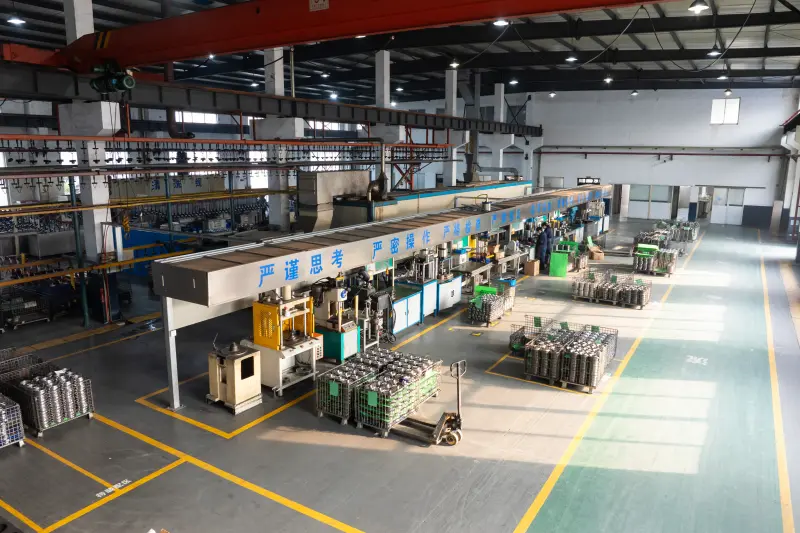
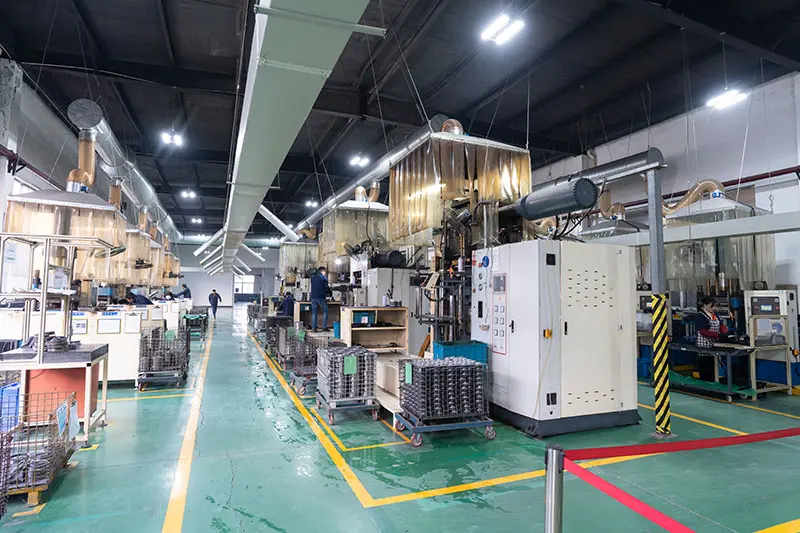
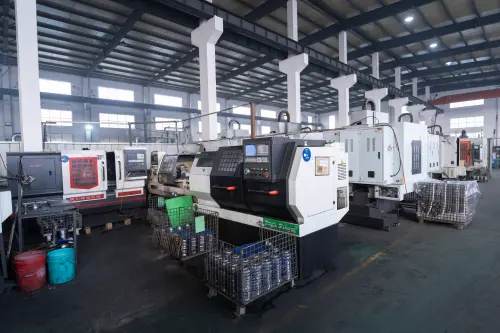
Yes, as a Manufacturer with OEM/ODM capabilities, we design and produce custom vibration pulleys for specific engine modifications, including inertia adjustments, custom belt groove configurations, and proprietary branding. Minimum order quantities apply for custom projects.
Sources: SAE J2481 Testing of Viscous and Elastomeric Crankshaft Dampers; ISO 1940-1 Balance Quality Requirements; Fleet Maintenance Data, Technology & Maintenance Council (TMC); Heavy Duty Manufacturers Association (HDMA) Technical Publications.
Contact our Wholesaler team today for a vibration pulley quote, cross-reference assistance, or to discuss customizable OEM/ODM projects. Volume discounts available for qualified buyers.





 English
  简体中文
简体中文  Español
  Français
  Deutsch
  العربية
  한국어
한국어  Русский
  Português
  Tiếng Việt
  Italiano
  Maithili
  ไทย
ไทย  Türkçe