
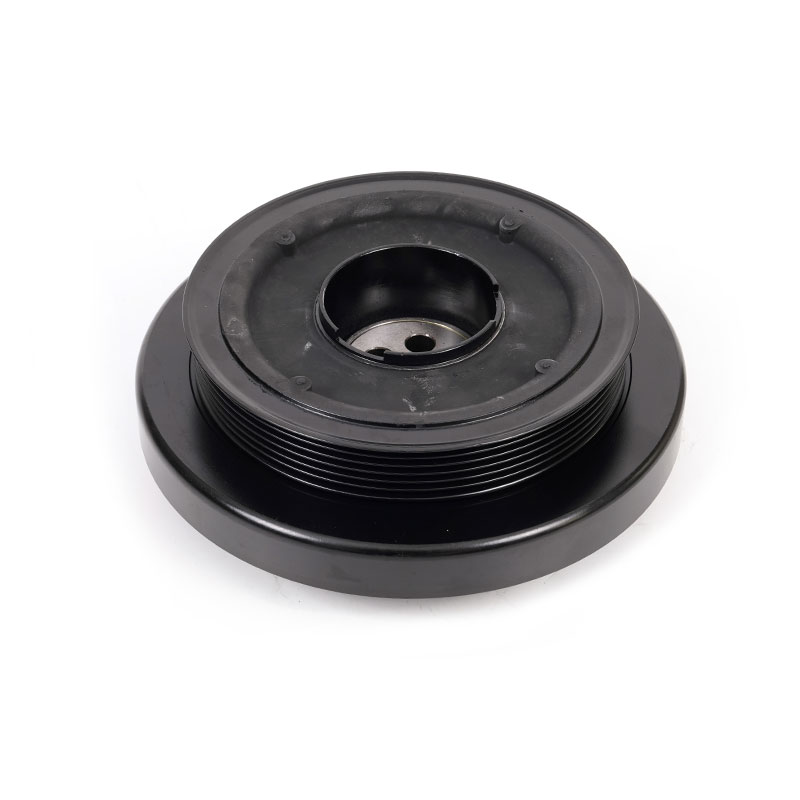
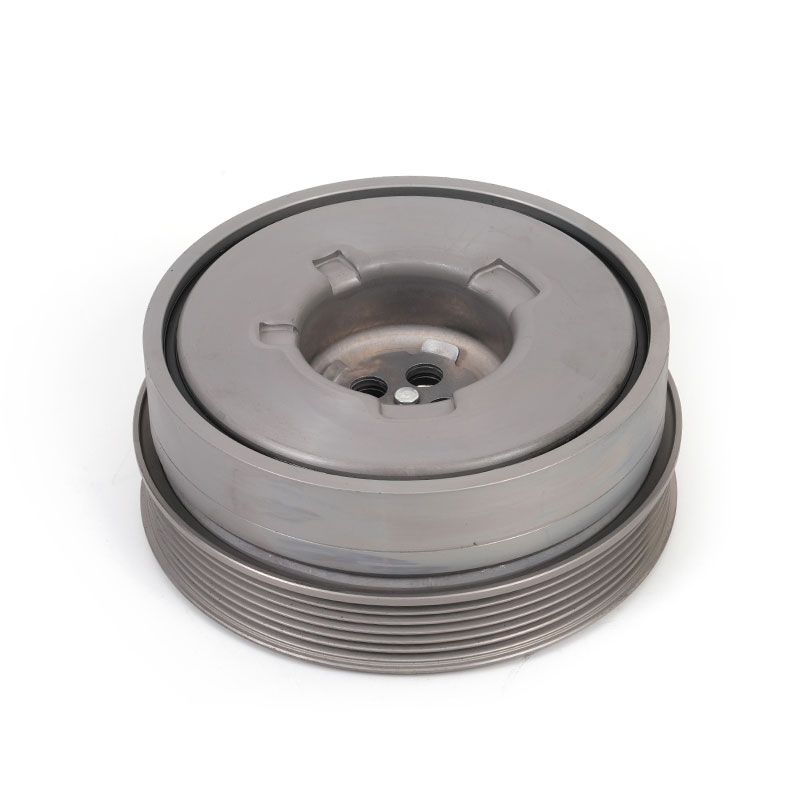
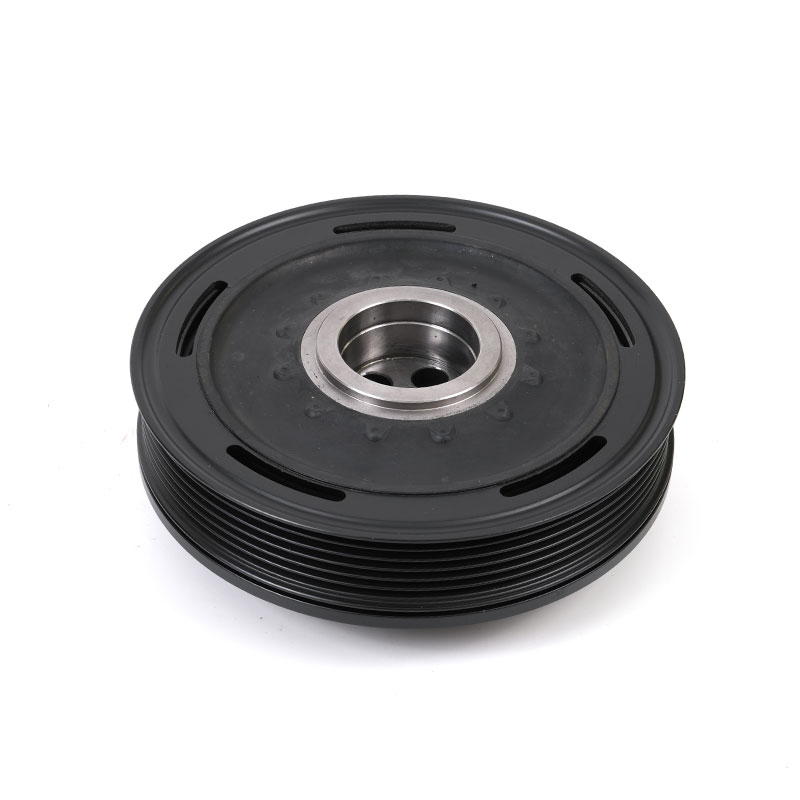
Marine engineers rely on the fluid viscous damper (also known as a fluid damper or viscous damper) to protect long-stroke, high-torque propulsion engines. Unlike automotive applications, marine engines face the added complexity of propeller shaft resonance and continuous high-load operation. A harmonic damper pulley or crank pulley harmonic balancer designed for a truck will fail rapidly in a marine environment due to corrosion, different firing orders, and the high inertia of the propeller blade system.
Marine fluid viscous dampers require classification society type approval (DNV, Lloyd’s Register, ABS) to ensure compliance with IMO regulations. They must control torsional vibration from ultra-long-stroke engines, which generate up to 40% higher torsional exciting force than previous designs, preventing shaft fatigue and propeller damage.
Deniz uygulamalarına hizmet veren Üretici with extensive marine project experience, we supply Özelleştirilebilir akışkan viskoz susturucu OEM/ODM propulsion systems. Our Çinmerkezli Fabrika holds DNV and ABS certifications. We serve as a direct Supplier and Toptancı to shipyards and marine parts distributors, offering corrosion-resistant coatings and documentation for global shipping fleets.
For marine buyers, the technical challenge is significant. Modern vessels equipped with ultra-long-stroke engines and engine de-rating technology generate greater torque at lower RPM. Research indicates these engines can increase torsional exciting force by up to 40%. A fluid viscous damper is often the only feasible solution for controlling propulsion shafting vibration. In the case of viscous dampers, while it is assumed there is no elastic connection in the silicon oil, high-viscosity silicon oil possesses torsional stiffness and has non-linear dynamic characteristics according to operating temperature and frequency.
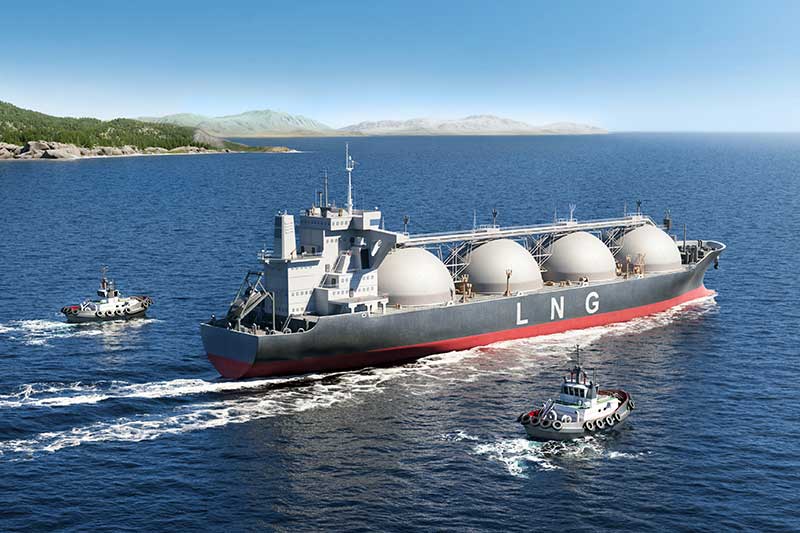
Why Marine Engines Require Broadband Damping
Marine propulsion systems operate across a wide RPM range, from maneuvering speed (idle) to full sea speed. A rubber damper tuned to a specific frequency will only protect at that exact RPM, leaving the engine vulnerable during acceleration and deceleration. A fluid viscous damper provides broadband damping, effectively controlling vibration across all orders. This is particularly critical for modern electronically controlled common rail marine diesels with variable injection timing.
In-Depth Technical Analysis: Propulsion Shafting Dynamics
The interaction between the engine crankshaft and the propeller shaft creates a complex coupled torsional system. When the propeller blades pass through non-uniform wake fields (behind the hull), they generate variable torque loads that transmit back to the engine. A study published in the Journal of Marine Science and Engineering (2020) examined a viscous-spring damper used to control torsional vibration in a propulsion shafting system with an engine acceleration problem. The research found that adjusting the design parameters of the damper—rather than using the theoretical optimum—was necessary to prevent fatigue fracture of shafts during critical zone acceleration. For marine applications, the damper must be designed to manage not just steady-state operation but also transient events like rapid acceleration from maneuvering or emergency stops.
Additionally, the thermo-hydrodynamic properties of the silicone oil film formed between the damper housing and inertial mass are critical. In high-power multi-cylinder marine engines, the selection of a viscous damper requires a thorough understanding of these properties, as oil film thickness and viscosity directly affect the complex damping coefficient. Finite Element Analysis (FEA) and Multi-Body Dynamics (MBD) simulations are used to model the damper’s response to the specific propulsion shafting system before manufacturing. Classification societies like DNV require documented validation of these simulations.
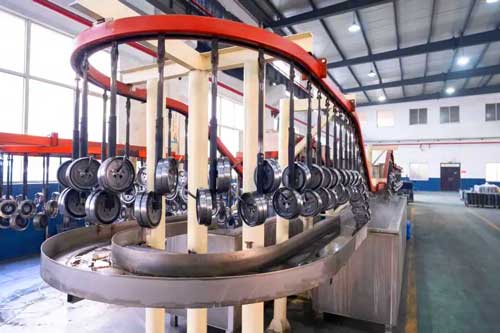
Corrosion Protection for Offshore Environments
Marine dampers face saltwater corrosion. Quality fluid viscous dampers feature zinc-rich primers and epoxy topcoats, with stainless steel or galvanized bolts. For vessels operating in tropical waters or with high engine room humidity, specifying marine-grade coatings is essential.
FAQ: Marine Viscous Damper Compliance and Selection
What classification society approvals are required?
For commercial vessels, DNV, Lloyd’s Register (LR), and ABS are the primary approvals. Type approval confirms the damper design meets society rules for materials, fatigue testing, and performance.
Can a fluid damper help avoid barred speed ranges?
Yes. Properly tuned viscous dampers can shift critical speeds outside the operating range, eliminating the need for barred RPM ranges that restrict engine usability.
What is the service life of a marine fluid damper?
Denizlerde sürekli görev yapan tahrik sistemleri için viskoz sönümleyiciler genellikle 15.000 ila 20.000 saat dayanır. Büyük motor revizyonu sırasında (her 5 yılda) değiştirilmesi önerilir.
Soğuk başlangıç, Arktik koşullarda deniz sönümleyicilerini nasıl etkiler?
Silikon sıvısı -40°C'ye kadar sönümleme özelliklerini korur. Sertleşen kauçuğun aksine, sıvı sönümleyiciler soğuk başlangıçlarda anında koruma sağlar.
Bir deniz sönümleyicisi Tedarikçisi hangi belgeleri sağlamalıdır?
Uygunluk Sertifikası (COC), malzeme izlenebilirlik raporları, dinamik balans sertifikasyonu ve sınıflandırma kuruluşu onay belgelerini almalısınız.
Deniz kullanımı için neden Çin merkezli bir Toptancı'dan sıvı sönümleyiciler temin edilmelidir?
Çin Üreticileri, tam sınıflandırma onaylarıyla rekabetçi fiyatlar sunar. Deniz yedek parça dağıtımı için özelleştirilebilir OEM/ODM tasarımları, hızlı teslimat süreleri ve küresel nakliye lojistiği sağlıyoruz.
Kaynaklar: Journal of Marine Science and Engineering (2020), DNVGL-CG-0339, ABS Tahrik Sistemleri Rehberi.
 Türkçe
  English
  简体中文
简体中文  Español
  Français
  Deutsch
  العربية
  한국어
한국어  Русский
  Português
  Tiếng Việt
  Italiano
  Maithili
  ไทย
ไทย