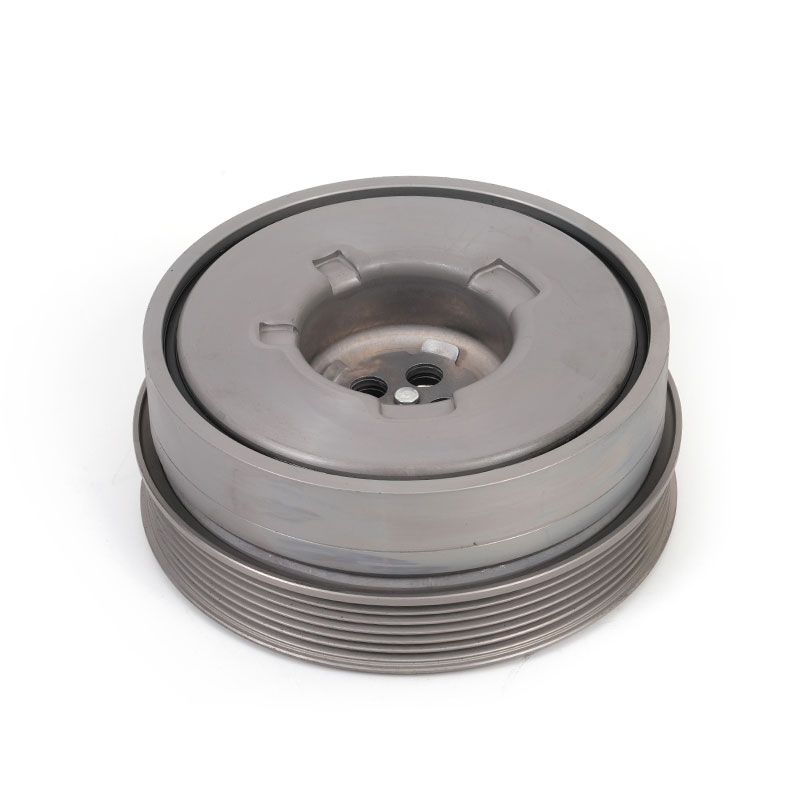
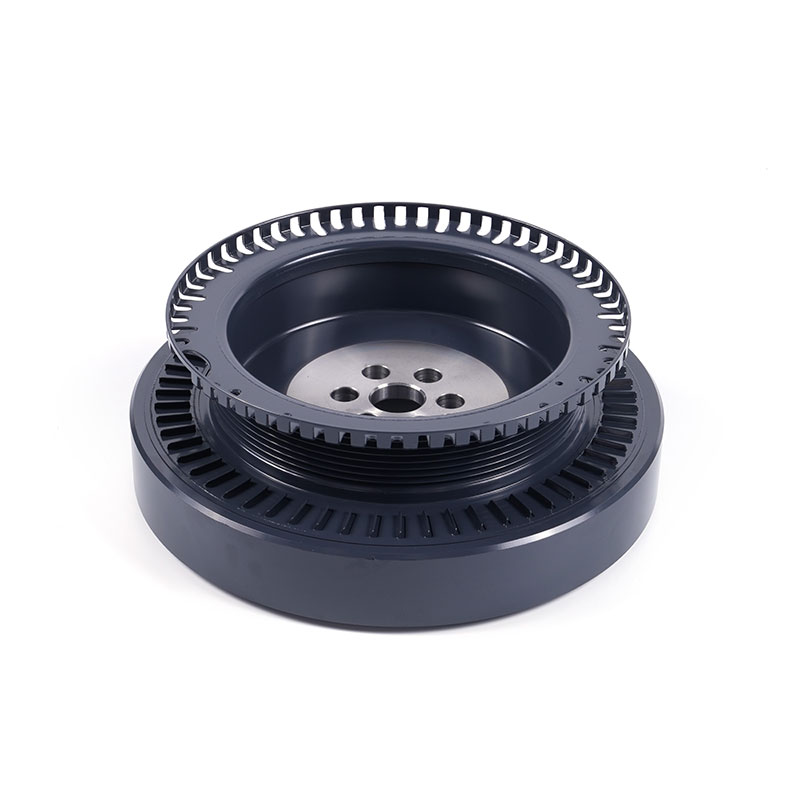
When choosing a vibration damper factory and supplier, prioritize vertically integrated manufacturers with IATF 16949 certification, in-house testing capabilities, and a proven track record in custom OEM/ODM projects to ensure quality consistency, supply chain control, and long-term reliability for your engine components.
For procurement professionals and engineering managers, sourcing a crankshaft vibration damper manufacturer is a strategic decision that goes far beyond the unit price. A damper failure can lead to catastrophic engine damage, warranty claims, and reputational damage. Therefore, evaluating potential suppliers on their manufacturing capabilities, quality systems, and technical expertise is paramount. This guide outlines a structured approach to selecting a reliable OEM vibration damper supplier that can act as a true partner in your supply chain.
Beyond the Part: Evaluating Manufacturing Capability
Many companies claim to be a vibration damper factory, but true capability is defined by vertical integration and in-house process control. A supplier that performs only assembly or acts as a trader introduces multiple points of potential failure. An ideal partner should have control over the entire production chain.
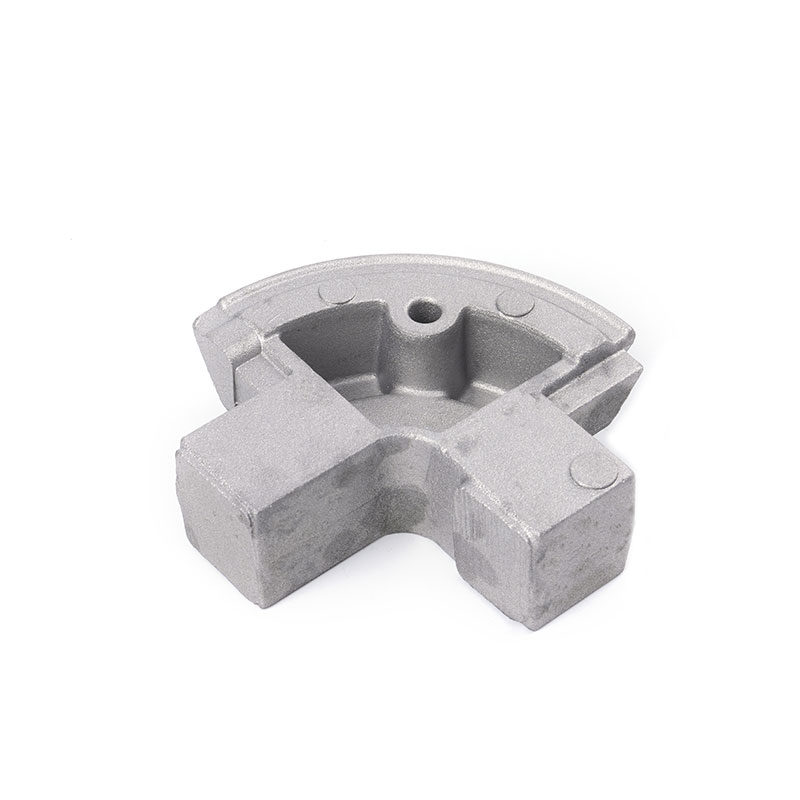
- In-House Foundry & Material Science: The ability to cast the high-grade aluminum or iron housings and hubs ensures material integrity and dimensional accuracy. This is critical for the damper’s balance and fit.
- Precision Machining: CNC machining capabilities for both the hub and inertia ring to tight tolerances (often within microns) are essential for proper press-fit and vibration-free operation.
- Assembly & Bonding: For elastomer dampers, the rubber bonding process must be meticulously controlled. For viscous dampers, the silicone fluid filling and sealing process must be conducted in a clean, controlled environment.
- 100% Functional Testing: A reliable manufacturer tests every single unit before it leaves the factory, not just a sample batch. This should include dynamic balancing and stiffness checks.
Critical Certifications and Quality Assurance
Certifications are not just badges; they are proof of a systematic approach to quality. For any serious automotive vibration damper supplier or industrial partner, specific certifications are non-negotiable.
IATF 16949: The Automotive Standard
This is the global standard for automotive quality management. It goes beyond ISO 9001, focusing on defect prevention, continuous improvement, and supply chain management. A torsional vibration damper factory with IATF 16949 certification has demonstrated a commitment to the highest level of manufacturing discipline.
ISO 9001 and In-House Testing
While ISO 9001 is a baseline for quality management, the true differentiator is the extent of in-house testing. As shown in our facility, this includes:
- Dynamic balancers for verification of rotating assembly balance.
- Fatigue testers to simulate millions of engine cycles.
- Environmental chambers to test performance at extreme temperatures (-40°C to +150°C).
- NVH (Noise, Vibration, Harshness) evaluation systems for complete performance analysis.
Why OEM/ODM Capability Defines a True Manufacturing Partner
Standard off-the-shelf dampers are suitable for many common engines, but unique applications—whether a high-performance race engine, a bespoke industrial machine, or a prototype power unit—require a custom vibration damper manufacturer. This is where OEM/ODM capabilities become the deciding factor. A true manufacturer will engage early in the design process.
Our role as a torsional vibration damper manufacturer involves working directly with your engineering team from the concept phase. We perform the initial crankshaft vibration damper analysis to understand your engine’s torsional characteristics. Based on this, we use proprietary calculation models to design the damper’s inertia, stiffness, and damping values. We then produce prototypes using the same vertical manufacturing processes as we would for mass production, ensuring a seamless transition to volume supply. This level of integration is what separates a simple parts Supplier from a strategic Manufacturer. Our commitment as a Wholesaler with direct factory access means we can offer scalable solutions—from prototypes to high-volume orders—with consistent quality, competitive lead times, and the engineering support required to get your project to market successfully. Whether you need a gasoline engine vibration damper for a new hybrid vehicle or a crankshaft vibration control damper for a legacy industrial engine, choosing a partner with comprehensive manufacturing and engineering capabilities is the surest path to success.
 English
  简体中文
简体中文  Español
  Français
  Deutsch
  العربية
  한국어
한국어  Русский
  Português
  Tiếng Việt
  Italiano
  Maithili
  ไทย
ไทย  Türkçe