
Introduction to Crankshaft Vibration Dampers
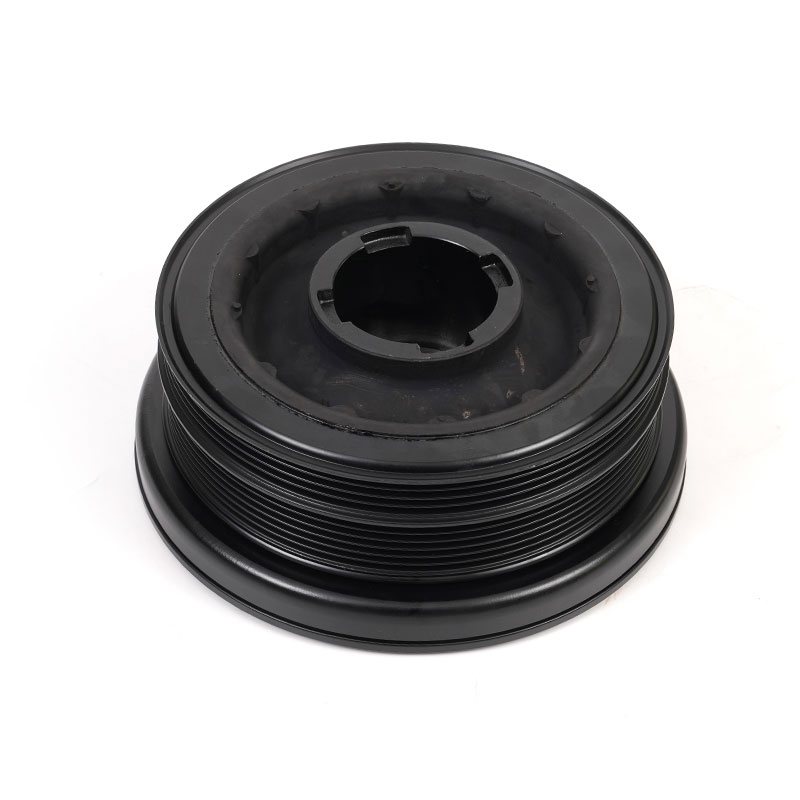
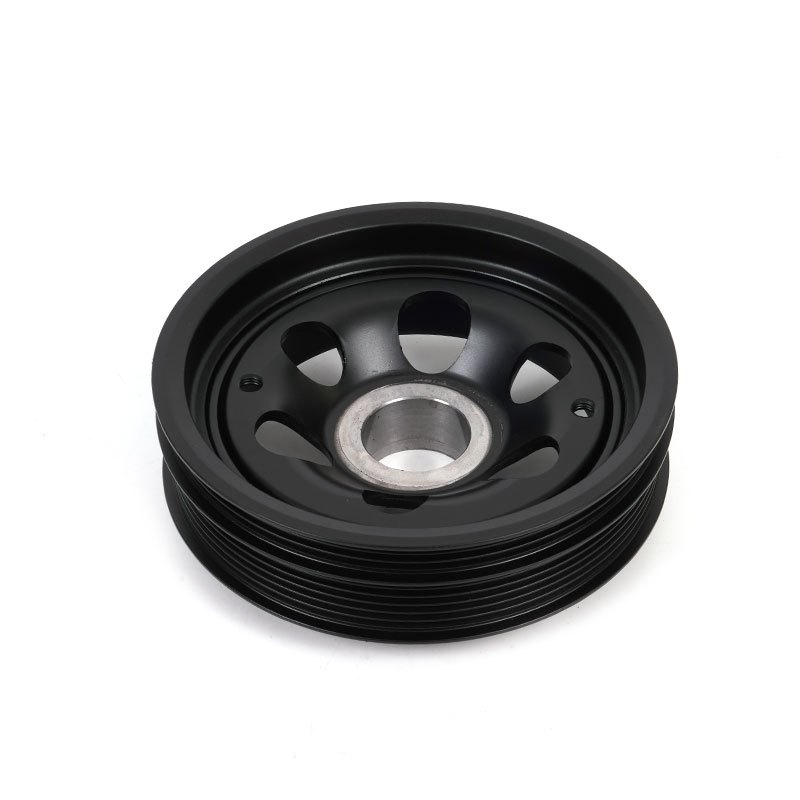
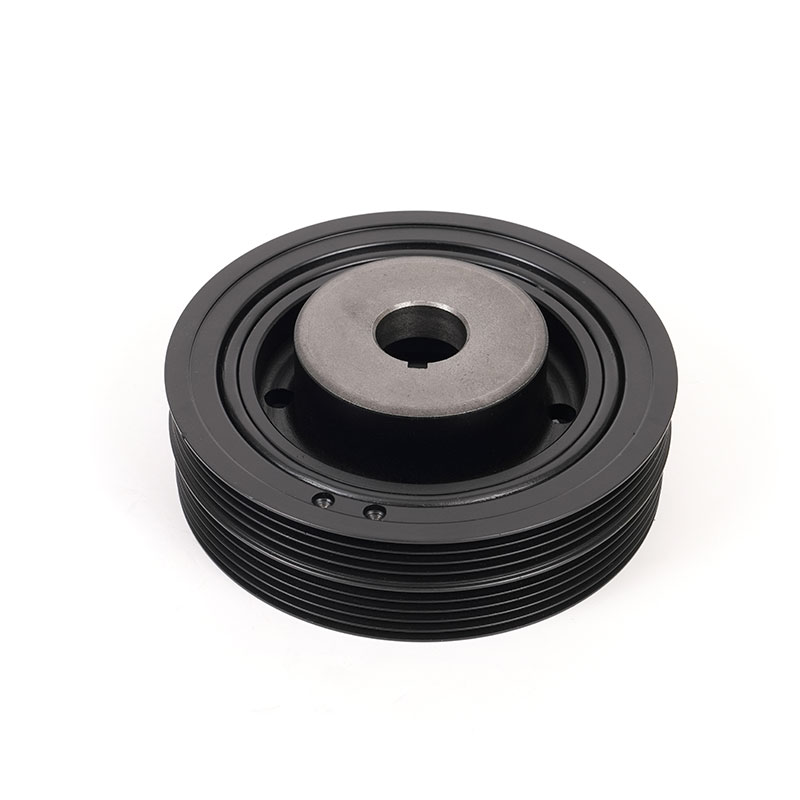
Crankshaft vibration dampers are an integral part of the engine’s operation, especially in automotive applications where vibration control is crucial for engine performance and reliability. This article delves into how crankshaft vibration dampers help control engine vibrations and why they are an essential component for both gasoline and diesel engines.
Crankshaft vibration dampers are indispensable in automotive engines for controlling vibrations, improving performance, and extending engine life. Learn how these dampers play a vital role in ensuring the optimal functioning of your engine.
Why Do Automotive Engines Need Vibration Dampers?
Automotive engines are exposed to various dynamic forces that cause vibrations in the crankshaft. These vibrations can lead to poor engine performance, increased wear, and, in extreme cases, engine failure. Crankshaft vibration dampers mitigate these effects, ensuring smooth engine operation.
Vibration Dampers and Engine Performance:
- Reduce Harmful Torsional Vibrations: Uncontrolled vibrations can affect fuel combustion efficiency, leading to decreased power output and poor fuel economy.
- Enhance Engine Durability: By reducing mechanical stress on the crankshaft, dampers prevent premature wear of engine components, increasing the lifespan of the engine.
- Improve Driving Comfort: Vibration dampers contribute to smoother engine operation, which in turn reduces cabin noise and vibration.
Choosing the Right Crankshaft Vibration Damper Manufacturer
Not all crankshaft vibration dampers are created equal. It’s essential to partner with a reputable manufacturer that offers high-quality dampers suited for your specific automotive engine needs. Whether you are looking for OEM solutions or customized designs, choosing the right supplier can make a significant difference in the performance and longevity of your engine.
Key Features of a Quality Vibration Damper Supplier:
- Customized Solutions: OEM and ODM services for tailored dampers that meet your specific engine requirements.
- Reliability and Testing: Leading manufacturers conduct comprehensive testing to ensure their vibration dampers are durable and effective in real-world conditions.
- Cost-Effectiveness: Wholesalers offer competitive pricing without compromising product quality.
Crankshaft Vibration Damper Design and Engineering
The design of a crankshaft vibration damper is a critical process that involves both mechanical engineering expertise and advanced technology. Using specialized tools and software, manufacturers optimize the damper’s design to provide maximum vibration control while maintaining engine performance.
Crankshaft Vibration Damper Design Considerations:
- Material Selection: The choice of materials for the damper, such as high-strength steel or composites, affects its ability to absorb and dissipate vibrations.
- Damping Mechanisms: Some dampers use rubber or viscous materials, while others rely on a combination of mass and spring elements.
- Testing and Validation: After design, dampers undergo rigorous testing to ensure they perform effectively under various engine speeds and conditions.
Crankshaft vibration dampers are vital for automotive engines, particularly in terms of reducing vibrations, enhancing engine longevity, and improving performance. By working with a professional OEM vibration damper manufacturer, you can ensure that your engine operates at peak efficiency, with reduced vibrations and extended durability.
 English
  简体中文
简体中文  Español
  Français
  Deutsch
  العربية
  한국어
한국어  Русский
  Português
  Tiếng Việt
  Italiano
  Maithili
  ไทย
ไทย  Türkçe