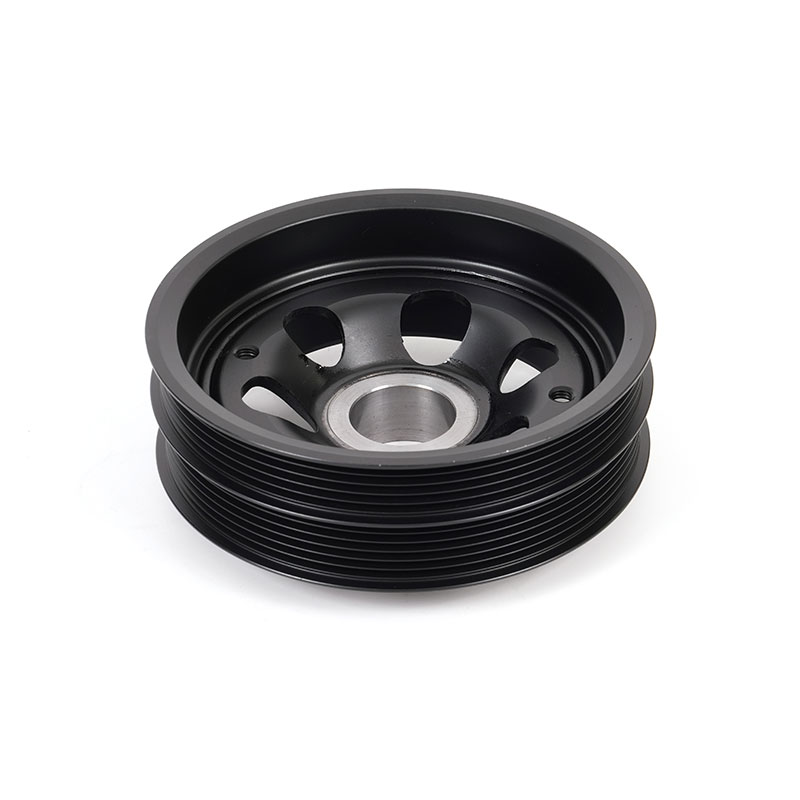
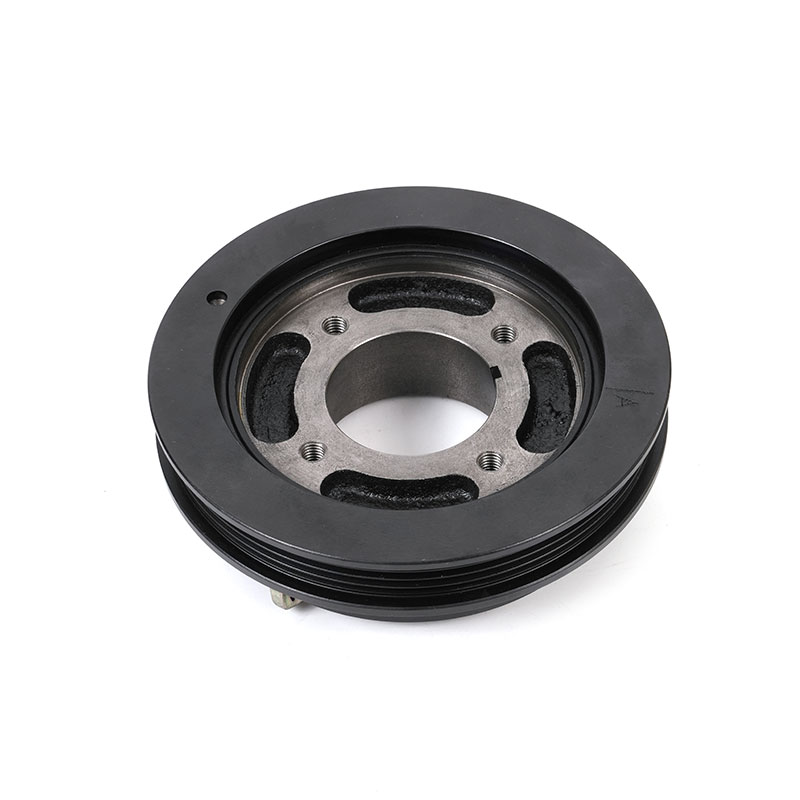
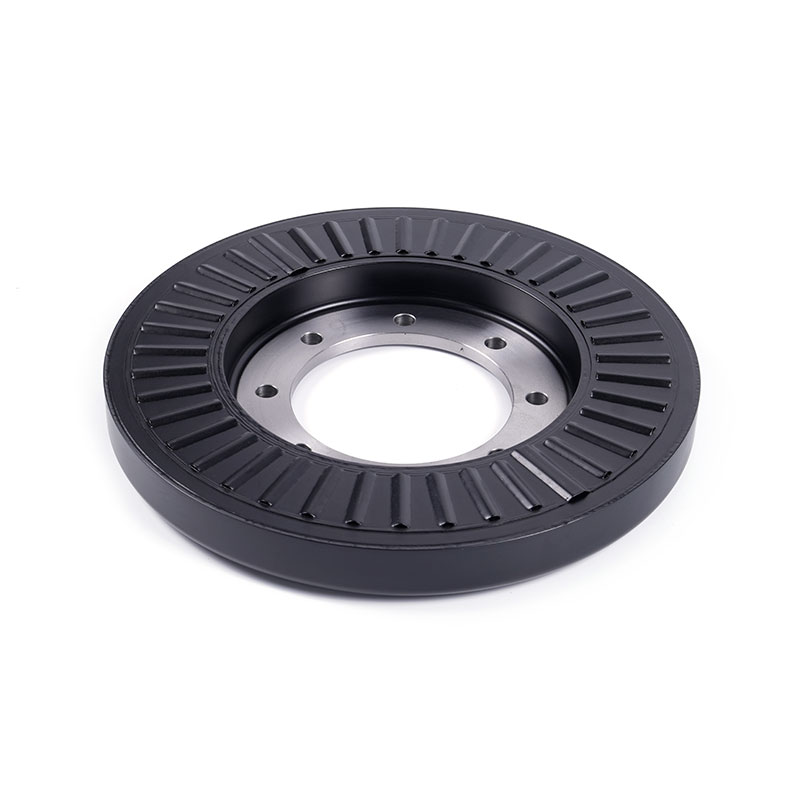
For fleet managers, marine engineers, and power generation specialists, selecting the right fluid damper, viscous damper, or fluid viscous damper requires matching technology to operating conditions. A harmonic damper pulley suitable for a passenger car will fail rapidly in a Class 8 truck or marine engine. Understanding application-specific requirements for crankshaft vibration damper systems helps B2B buyers make informed inventory decisions for engine vibration damper replacement programs.
Heavy-duty trucks require fluid viscous damper replacement every 500,000 miles or 15,000 hours; marine propulsion engines need classification society-approved dampers with corrosion-resistant coatings; generator sets demand thermal stability for continuous operation. Each application has unique stress patterns that determine optimal damper specification and replacement intervals.
Auramaia serves as a China-based Manufacturer and Supplier of Customizable fluid viscous dampers for Wholesaler partners across multiple industries. Our OEM/ODM capabilities include application-specific tuning, private labeling, and full certification documentation for marine and industrial requirements.
Heavy-Duty Trucking: The 500,000-Mile Standard
Class 8 over-the-road trucks represent the largest single market for fluid viscous dampers. Operating patterns—sustained highway speeds, predictable duty cycles, and scheduled maintenance—make them ideal candidates for fluid damper technology.
OEM Replacement Intervals and Best Practices
Industry standards for heavy-duty trucks are well-established. Caterpillar recommends torsional viscous damper replacement at the 300,000-mile service interval or during engine rebuild[reference:11]. Continental recommends inspection every 60,000 km and replacement every 120,000 km if any doubt exists[reference:12]. Vibratech TVD, a leading viscous damper manufacturer, specifies an average of 500,000 miles or 15,000 hours for replacement[reference:13]. John Deere requires replacement every five years or 4,500 hours, whichever occurs first, or whenever the crankshaft is replaced[reference:14].
For fleet procurement professionals, these intervals inform inventory planning. A typical Class 8 truck accumulates 100,000-120,000 miles annually, meaning damper replacement occurs every 4-5 years. Distributors serving regional fleets should stock high-volume part numbers for Cummins ISX/X15, Detroit Series 60, Caterpillar C15, and PACCAR MX-13 engines.
Cost-benefit analysis: Preventive damper replacement costs approximately $500-$1,000 (parts plus 2 hours labor). Catastrophic crankshaft failure from damper neglect costs $15,000-$25,000 in repairs plus 5-7 days downtime. The ROI for proactive replacement is clearly positive for any fleet operating 5+ trucks.
Marine Propulsion: Classification Society Requirements
Marine engines present unique challenges for viscous damper applications. Continuous operation (often 24/7 for weeks), saltwater corrosion exposure, and propulsion shafting dynamics require specialized engineering.
Corrosion Protection and Type Approval
Marine dampers must resist saltwater corrosion. High-quality units feature zinc-rich primers and epoxy topcoats with stainless steel or galvanized mounting bolts. For vessels operating in tropical waters or high-humidity engine rooms, specifying marine-grade coatings extends service life significantly.
Classification society approvals are mandatory for commercial vessels. Lloyd’s Register, DNV, and ABS each have specific requirements for vibration dampers used in propulsion systems. These include type approval testing, material traceability, 10-million-cycle fatigue validation, and burst speed verification at 125% of maximum rated RPM. Auramaia maintains DNV and ABS certifications for our marine damper product line, with full documentation available for Wholesaler partners serving shipyards and marine aftermarket distributors.
Propeller shaft resonance: Marine propulsion systems face an additional challenge not present in automotive applications—propeller shaft resonance. The propeller’s inertia, combined with the shaft’s elasticity, creates torsional nodes that can amplify vibration at certain RPMs. A properly specified fluid viscous damper controls these resonances and can eliminate barred speed ranges that would otherwise restrict engine usability.
Generator Sets: Prime Power vs. Standby Duty Cycles
Generator applications divide into two categories with distinctly different damper demands:
- Prime power (continuous operation): Generators running 24/7 at remote sites or industrial facilities subject dampers to sustained thermal stress. Here, viscous dampers outperform elastomer designs due to their thermal stability. Replacement intervals follow hour-based schedules: 8,000-12,000 hours for viscous, 5,000-8,000 hours for elastomer.
- Standby generators (low hours, critical reliability): These units accumulate few operating hours but may sit idle for years between uses. Here, time-based degradation (seal aging, rubber hardening) drives replacement regardless of hours. Industry practice recommends damper replacement every 8-10 years for standby generators.
Load Transients and Motor Starting
Generators experience rapid load changes that create torsional shocks. When a large motor starts (e.g., HVAC compressor, pump), the generator engine must accelerate to meet demand—a transient that sends a torsional wave through the crankshaft. Over thousands of start cycles, these transients can fatigue crankshaft fillets and damper bonding interfaces. Premium fluid viscous damper designs with robust inertia rings and high-grade silicone fluid handle these transients effectively.
Deep Dive: Maintenance Interval Optimization
For B2B buyers managing inventory across multiple applications, data-driven replacement intervals optimize both cost and reliability. Here is a comprehensive interval table based on industry standards and manufacturer recommendations:
| Application | Fluid Viscous Damper Interval | Elastomer Damper Interval | Inspection Method |
|---|---|---|---|
| Class 8 truck (highway) | 500,000 miles / 15,000 hours | 80,000-120,000 miles | Visual for leaks; temperature check |
| Class 8 truck (severe duty) | 350,000-400,000 miles | 60,000-80,000 miles | Every 100,000 miles: visual + temp |
| Marine propulsion (continuous) | 15,000-20,000 hours | 5,000-8,000 hours | Annual visual; fluid analysis for rebuildable units |
| Generator (prime power) | 8,000-12,000 hours | 5,000-8,000 hours | Every 2,000 hours: temperature measurement |
| Generator (standby) | 8-10 years (calendar) | 6-8 years (calendar) | Annual visual; durometer test for rubber |
| Agricultural tractor | 5,000-8,000 hours | 3,000-5,000 hours | Pre-season inspection |
Application-Specific Failure Patterns
Understanding how dampers fail in each application enables targeted inventory planning:
- Heavy-duty trucks: Primary failure mode is silicone fluid polymerization from sustained highway operation. No visible external signs—temperature measurement required for detection.
- Marine engines: Primary failure mode is seal leakage from corrosion or thermal cycling. Visible fluid residue around housing seam indicates replacement needed.
- Generators (prime power): Primary failure mode is thermal degradation from continuous load. Housing temperature monitoring detects issues before catastrophic failure.
- Generators (standby): Primary failure mode is seal aging and rubber hardening (if elastomer). Time-based replacement regardless of hours is essential.
- Agricultural equipment: Primary failure mode is rubber hardening from seasonal inactivity. Pre-season inspection with durometer testing recommended.
Auramaia’s Industry-Specific Solutions
Auramaia offers application-engineered fluid viscous dampers for each industry segment. Our Customizable approach includes inertia tuning, housing material selection (steel for heavy-duty, aluminum for weight-sensitive applications), corrosion-resistant coatings for marine use, and full certification documentation. As a direct Manufacturer and Supplier, we serve Wholesaler partners with competitive pricing, low MOQs, and OEM/ODM capabilities for private label programs.
FAQ: Application-Specific Selection and Maintenance
How do I know if my heavy-duty truck needs a new fluid viscous damper?
Signs include increased front-end vibration at specific RPM ranges, visible fluid residue on the housing, housing temperature more than 20°C above ambient after full load operation, and audible gear train rattle at idle. If any of these symptoms appear, immediate replacement is recommended.
What documentation is required for marine damper compliance?
For commercial vessels, you need classification society type approval certificates (DNV, Lloyd’s Register, or ABS), material traceability reports, dynamic balance certification, and a certificate of conformance for each unit. Auramaia provides complete documentation packages for marine applications.
Can a fluid viscous damper from a truck be used on a generator engine?
Not recommended. Truck dampers are tuned for variable-speed operation with transient loads. Generator dampers require specific tuning for constant-speed (1500/1800 RPM) operation with sustained thermal load. Always specify dampers for the actual application.
What is the cost difference between fluid viscous and elastomer dampers for fleets?
Fluid viscous dampers typically cost 30-50% more upfront than elastomer equivalents. However, their longer service life (500,000 vs. 80,000-150,000 miles) results in lower cost per mile: $0.001-0.002 vs. $0.003-0.006. For fleets, viscous dampers offer superior total cost of ownership.
How do I stock dampers for a mixed fleet of trucks?
Identify your top 5-10 engine platforms by unit count. Stock fluid viscous dampers for Cummins ISX/X15, Detroit Series 60, and Caterpillar C15 in depth (3-5 units each). Maintain 1 unit of less common applications. Use supplier drop-ship capabilities for very low-volume needs.
Do you offer custom damper tuning for specific engine modifications?
Yes. As a Customizable Manufacturer, Auramaia provides engineering services for modified engines including inertia calculation, silicone viscosity selection, and prototype validation. Minimum order quantities apply for custom projects.
Sources: Caterpillar Service Manual; Continental Engine Parts Technical Data; John Deere Maintenance Manual; Vibratech TVD Application Guide.
 English
  简体中文
简体中文  Español
  Français
  Deutsch
  العربية
  한국어
한국어  Русский
  Português
  Tiếng Việt
  Italiano
  Maithili
  ไทย
ไทย  Türkçe