Understanding Fluid Viscous Damper Technology
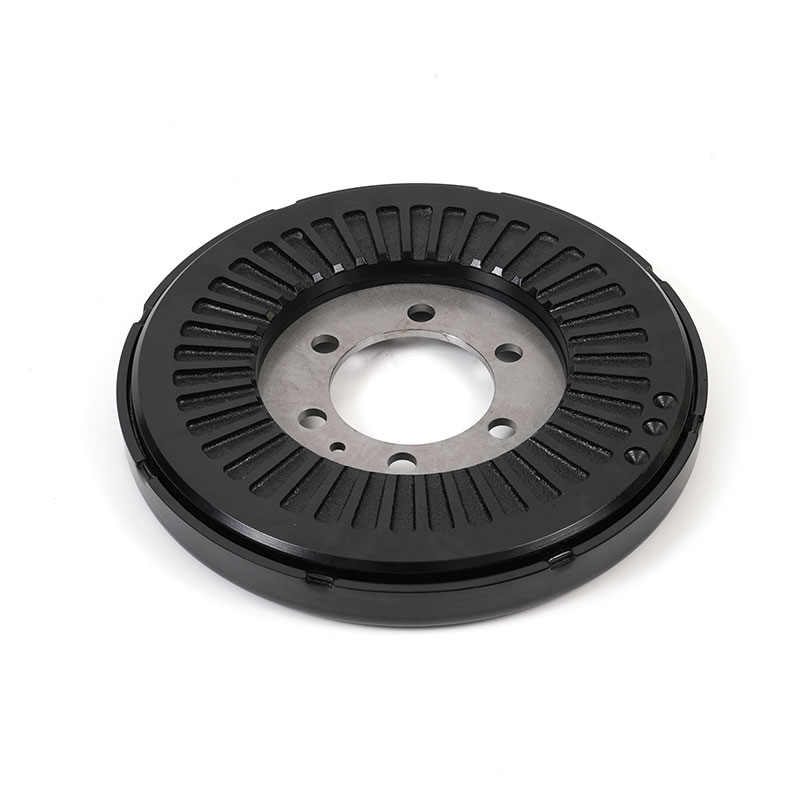
A fluid viscous damper consists of three main components: a precision-machined steel or aluminum housing, a free-floating inertia ring, and high-viscosity silicone fluid sealed within the housing. When the engine crankshaft experiences torsional twisting from cylinder firing, the outer housing rotates with the crankshaft while the inertia ring attempts to maintain constant velocity. This relative motion forces the inertia ring to shear the silicone fluid, converting mechanical torsional energy into low-grade heat which dissipates through the damper housing. This mechanism provides broadband damping effective across all engine RPM ranges, unlike elastomer dampers tuned to specific frequencies. The silicone fluid within a new viscous damper is approximately 45,000 times thicker than standard motor oil, providing exceptional energy dissipation.
Viscous Damper vs. Elastomer Rubber Damper: Technical Comparison
| Characteristic |
Fluid Viscous Damper |
Elastomer Rubber Damper |
| Damping Bandwidth |
Broad (effective across all RPM) |
Narrow (tuned to specific frequency) |
| Temperature Stability |
-40°C to 150°C |
Typically limited to 100-120°C |
| Service Life (Heavy-Duty) |
500,000 miles / 15,000 hours |
80,000-150,000 miles |
| Failure Mode |
Gradual fluid viscosity loss, seal leakage |
Rubber hardening, cracking, de-bonding |
| Broadband Frequency Control |
Yes, self-tuning across all orders |
No, tuned to single critical order |
| Maintenance Requirement |
Inspect for leaks; replace at interval |
Regular inspection for rubber degradation |
Viscous Damper Specifications and Technical Deep Dive
Silicone fluid in viscous dampers exhibits non-Newtonian pseudoplastic behavior, meaning its viscosity decreases under high shear rates—a property that engineers must account for in damper design. The energy dissipation efficiency follows the relationship: P = μ × (Δω)^2 × V, where P is power dissipated, μ is fluid dynamic viscosity, Δω is angular velocity difference between housing and inertia ring, and V is fluid volume in the shear gap. This physical relationship explains why viscous dampers maintain consistent performance across RPM ranges. In high-performance forced induction diesel engines producing 500+ horsepower, the crankshaft experiences torsional vibration amplitudes exceeding 0.5 degrees without proper damping. A correctly specified viscous damper reduces peak amplitudes to below 0.15 degrees, well within the crankshaft’s fatigue endurance limit. The self-tuning nature of viscous fluid damping eliminates the need for frequency-specific calibration required by rubber elastomer designs. Advanced twin-inertia-ring and dual-chamber designs further enhance thermal dissipation for extreme high-horsepower applications, distributing heat load across multiple chambers to prevent fluid degradation during sustained full-power operation.
Heavy-Duty Applications Where Viscous Dampers Excel
- Class 8 over-the-road truck diesel engines (Cummins, Detroit, Caterpillar, Volvo, PACCAR)
- Marine propulsion engines for commercial vessels, tugboats, fishing boats
- Generator set engines for standby and prime power applications
- Mining and construction equipment operating in extreme dust and heat
- Agricultural machinery requiring seasonal reliability during harvest
- Rail and mass transit diesel engine fleets with continuous duty cycles
B2B Sourcing: What Wholesale Buyers Need to Know
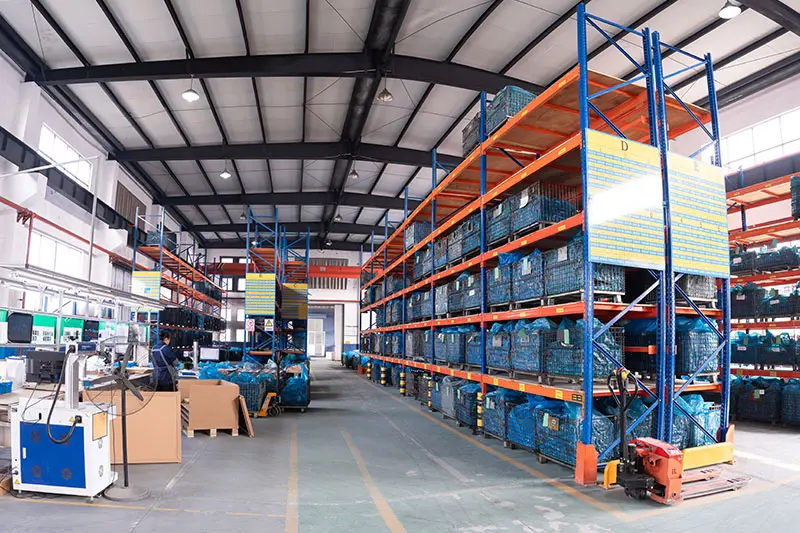
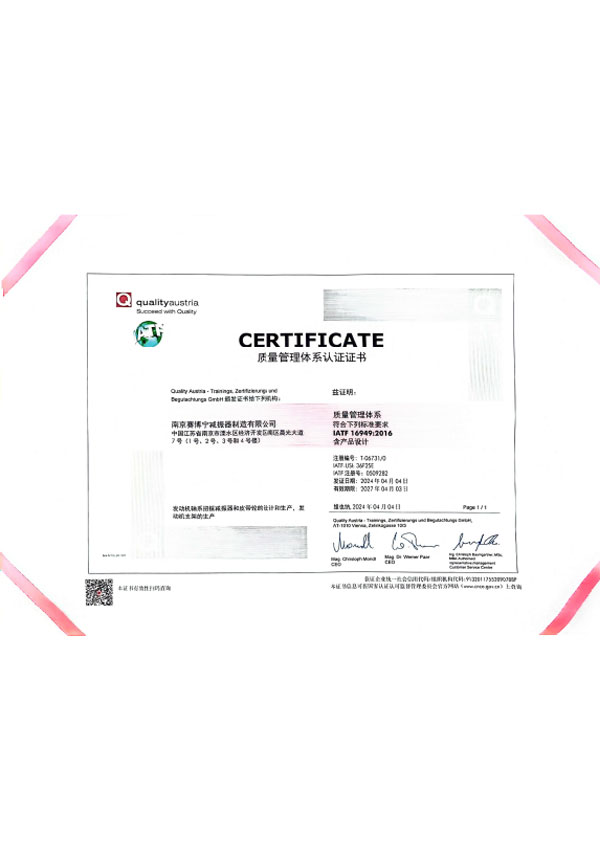
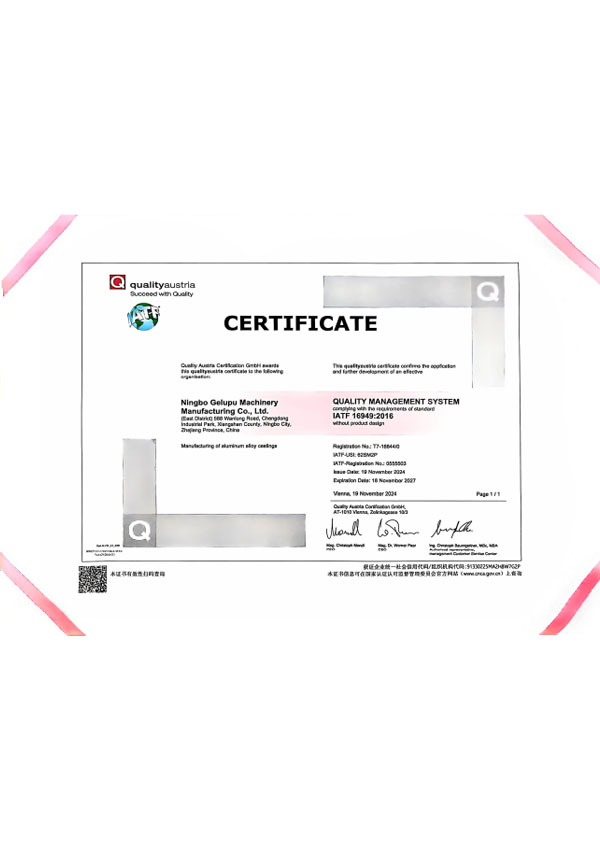
For distributors and fleet procurement managers, understanding viscous damper supply chain dynamics ensures cost-effective inventory management. Typical wholesale minimum order quantities range from 10 to 100 units depending on application complexity, with lead times of 15-60 days for production quantities. Cross-reference capabilities are essential—your viscous damper supplier must maintain comprehensive OEM interchange databases covering major engine manufacturers including Cummins (part numbers 217323, 217322, 211915), Caterpillar (7C-7323, 4P-4297), and Detroit Diesel (23514917, 23514918). Quality certifications such as IATF 16949 and ISO 9001:2015 are mandatory for automotive and heavy-duty applications. Factory-direct wholesale pricing typically achieves 30-50 percent margins for distributors while maintaining quality standards. Inventory management programs including vendor-managed inventory (VMI) and stock balancing agreements reduce capital exposure for slow-moving applications.
Quality Assurance and Testing Standards
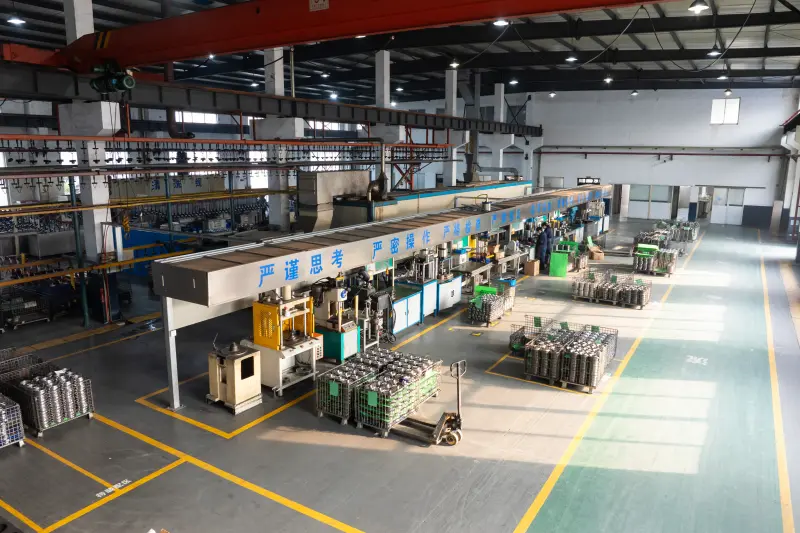
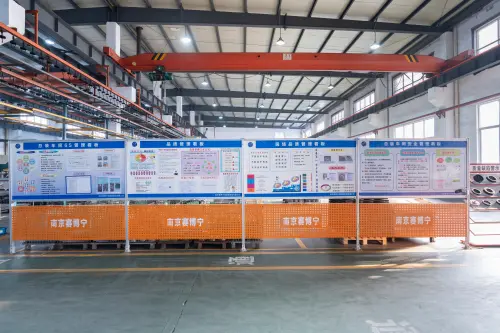
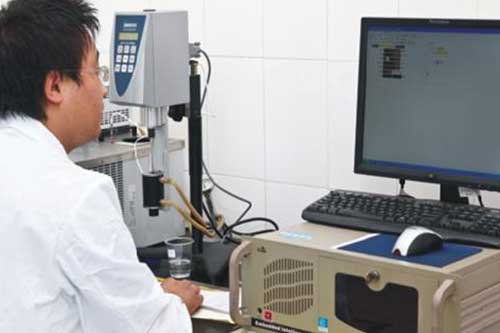
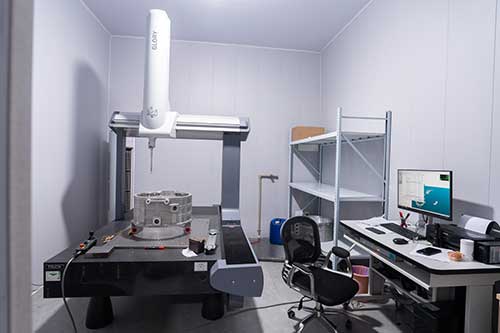
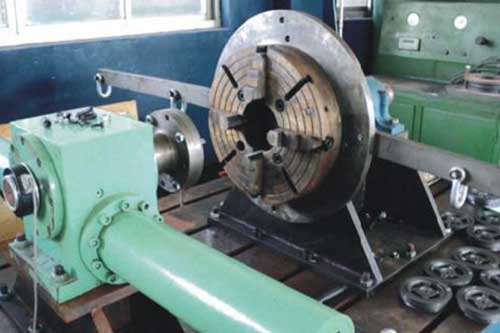
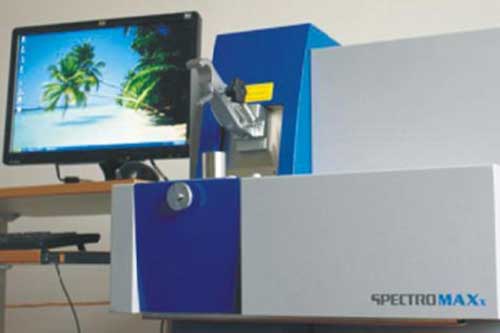
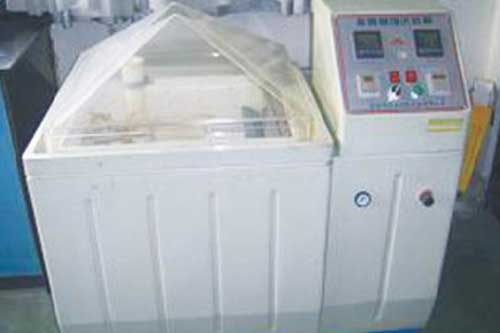
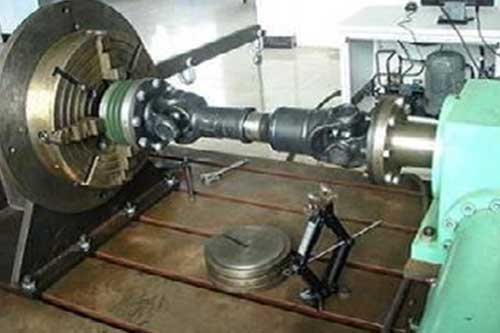
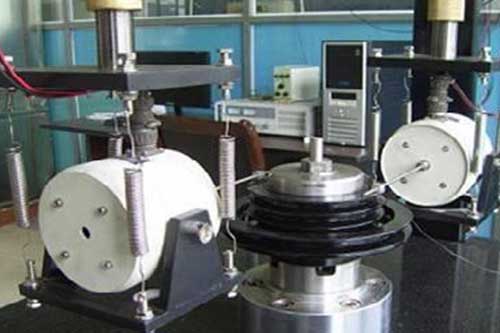
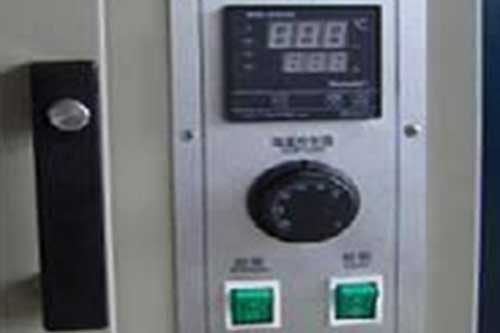
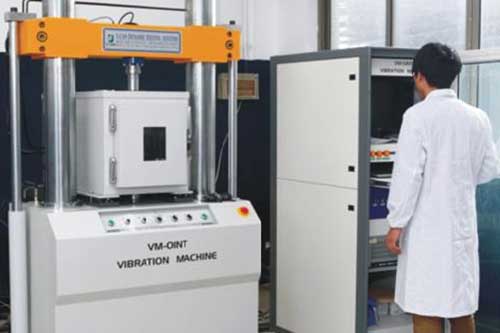
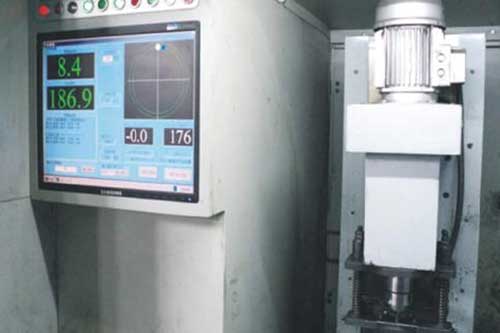
Each viscous damper should undergo rigorous validation before shipment, including dynamic balancing per ISO 1940 (G6.3 or better), torsional fatigue testing to 10 million cycles, thermal cycling from -40°C to 150°C, and burst speed testing at 125 percent of maximum rated RPM. Quality management systems should include statistical process control (SPC) on critical parameters, full material traceability from raw material to finished component, measurement system analysis (MSA) for all testing equipment, and documented PFMEA for every manufacturing process.
FAQ – Fluid Viscous Damper Wholesale and Technical Questions
What is the difference between a fluid viscous damper and a rubber vibration pulley?
A fluid viscous damper uses high-viscosity silicone fluid sealed in a housing to provide broadband damping across all engine RPM ranges, while a rubber vibration pulley (elastomer damper) uses a bonded rubber ring tuned to a specific frequency. Viscous dampers offer superior durability, temperature stability, and extended service life, making them preferred for heavy-duty diesel applications.
What is the typical replacement interval for a viscous damper in heavy-duty trucks?
Industry standard recommends viscous damper replacement at 500,000 miles or 15,000 operating hours, or during major engine overhauls and in-frame rebuilds, whichever occurs first. This interval applies to Cummins, Detroit, Caterpillar, Volvo, and other major heavy-duty diesel engines.
Can you provide custom/OEM viscous damper manufacturing for my engine specification?
Yes, as a manufacturer with OEM/ODM capabilities, we offer custom viscous damper design and production for specific engine applications. Customization includes inertia value tuning, housing material selection (steel or aluminum), dimensional specifications, and proprietary branding.
What quality certifications should a viscous damper supplier hold?
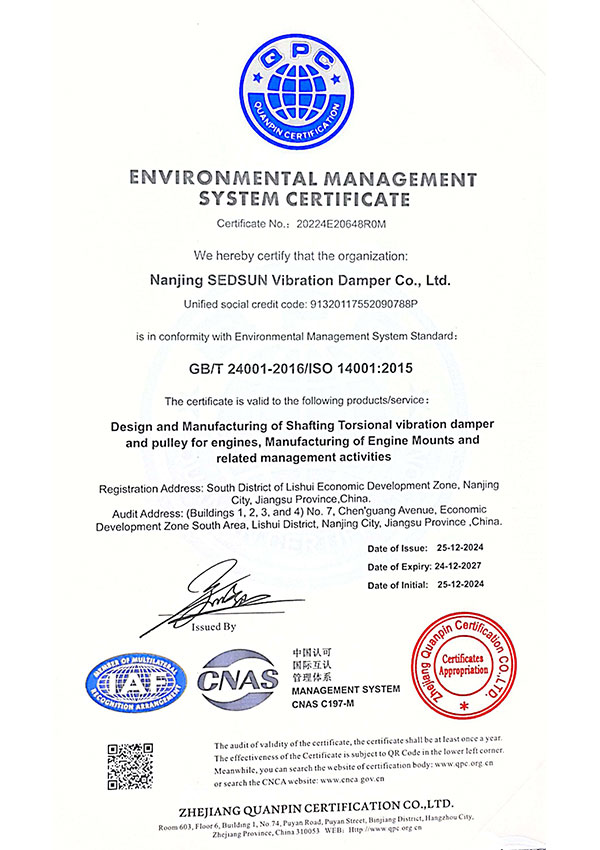
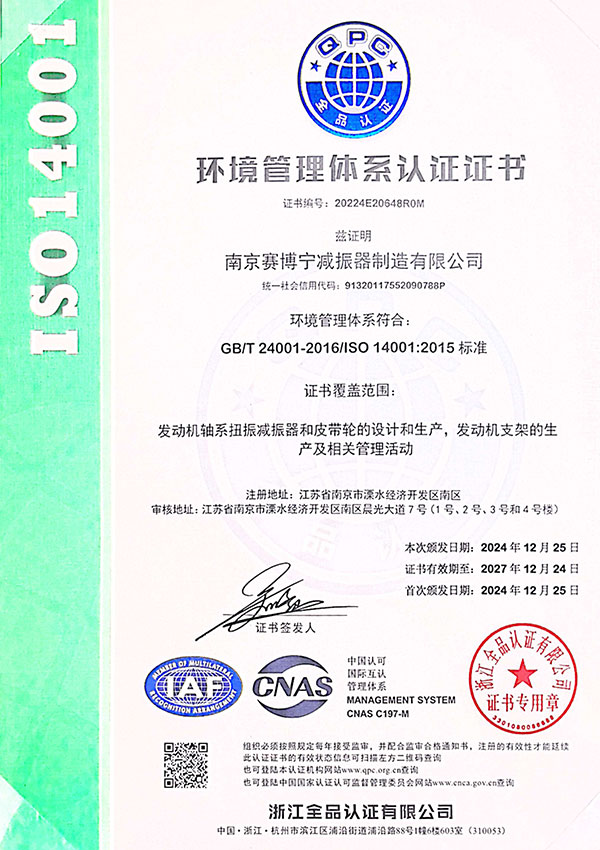
For automotive and heavy-duty applications, IATF 16949 certification is mandatory. ISO 9001:2015 is acceptable for industrial applications. Certifications should explicitly include viscous damper manufacturing within their scope.
What is the minimum order quantity for wholesale viscous damper purchasing?
Wholesale MOQ varies by application, typically ranging from 10 to 100 units per part number. Volume discounts apply for larger quantities. Contact our wholesale team for specific pricing based on your annual volume requirements.
How do I verify that a replacement viscous damper matches my engine application?
Provide your supplier with engine manufacturer, engine model, engine serial number, and OEM part number if available. A qualified supplier with comprehensive cross-reference databases can identify the correct damper. Dimensional verification includes overall diameter, hub bore, pilot diameter, bolt pattern, and overall height.
Sources: SAE J2481 Testing of Viscous and Elastomeric Crankshaft Dampers; Vibratech TVD Technical Publications; ISO 1940-1 Balance Quality Requirements; MDPI Temperature-Dependent Viscosity Model for Silicone Oil (2021); Fleet Maintenance Data, Technology & Maintenance Council (TMC).


 English
  简体中文
简体中文  Español
  Français
  Deutsch
  العربية
  한국어
한국어  Русский
  Português
  Tiếng Việt
  Italiano
  Maithili
  ไทย
ไทย  Türkçe