
For agricultural and construction equipment operating in demanding field conditions, the heavy-duty engine vibration damper is the unsung component that prevents catastrophic crankshaft failure during peak workload seasons—with properly maintained dampers reducing downtime risks by up to 80 percent during critical harvesting or earthmoving operations.
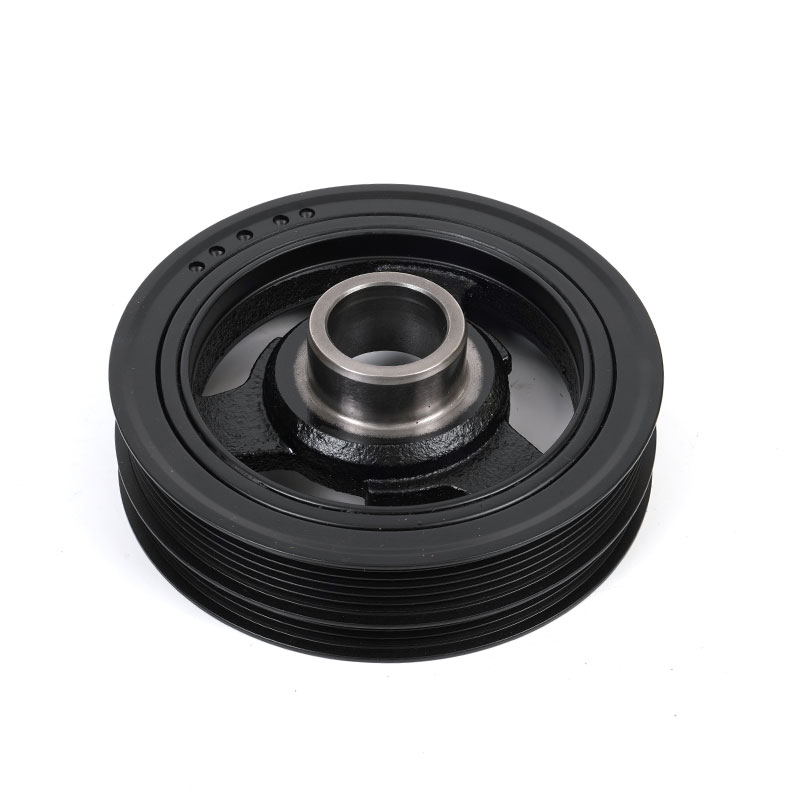
On farms and job sites across the world, equipment works when the conditions demand it. A combine harvester runs through the night when the weather window opens. An excavator operates continuously during a concrete pour. In these applications, downtime is measured not in hours but in lost revenue, delayed harvests, and missed deadlines. The heavy duty engine vibration damper mounted on the front of every diesel engine in this equipment receives little attention—until it fails. Understanding how this component behaves in agricultural and construction environments is essential for equipment managers seeking maximum uptime.
The Unique Demands of Off-Highway Equipment
Agricultural and construction equipment operate under conditions that challenge every engine component. Unlike on-highway trucks with relatively steady operating conditions, off-highway equipment faces variable loads, extreme duty cycles, and environmental exposure that accelerates component wear.
A modern tractor may pull a ripper through hard soil, generating sustained high torque at low RPM, then travel down the road at transport speed, then idle while implements are adjusted. Each of these operating modes produces different torsional vibration patterns. The diesel engine vibration damper must manage vibration across this entire operating spectrum. An excavator performing demolition work experiences shock loads transmitted through the hydraulic system to the engine, creating torsional spikes that elastomer dampers may struggle to absorb without specialized engineering.
Application-Specific Operating Profiles
Different equipment types impose distinct stress patterns on vibration dampers. Understanding these patterns enables targeted inspection and replacement strategies.
Agricultural Equipment: Seasonal Intensity
Farm equipment operates with extreme seasonal intensity. A tractor may accumulate 500 hours in three months during planting and harvesting, then sit idle for winter. This pattern creates unique challenges: long periods of inactivity allow rubber compounds to age and harden; then, when the equipment returns to service, the hardened damper provides inadequate protection during the most critical operating period.
For agricultural applications, seasonal inspection protocols are essential. Before planting season, technicians should inspect elastomer dampers for rubber hardening, cracking, or bulging. A durometer test (Shore A scale) provides objective measurement: if rubber hardness has increased by more than 10 points from original specification (typically Shore A 60-70), replacement is recommended regardless of visible appearance.
Construction Equipment: Shock Loading and Variable RPM
Construction equipment experiences shock loads that few other applications match. When an excavator bucket strikes rock, the hydraulic system transmits a pressure spike to the engine, creating a torsional shock wave through the crankshaft. A backhoe loader performing loader operations experiences repeated rapid acceleration and deceleration cycles. These transient loads stress damper bonding interfaces and can accelerate fatigue.
For construction applications, viscous dampers often provide superior durability. Their fluid-based damping mechanism absorbs shock loads across all frequencies, and the absence of bonded rubber interfaces eliminates a common failure point. Equipment managers in rock excavation, demolition, or heavy earthmoving report viscous damper service lives two to three times longer than elastomer designs.
Off-Highway Equipment Damper Selection Guide
::::
| Equipment Type | Operating Pattern | Key Stress Factor | Recommended Damper Type | Inspection Interval |
|---|---|---|---|---|
| Agricultural Tractors | Seasonal intensity, variable loads | Rubber aging during idle periods | High-grade elastomer or viscous | Pre-season inspection, 1,000 hours |
| Combine Harvesters | Sustained high RPM during harvest | Continuous thermal load | Viscous (broadband control) | 500 hours during harvest season |
| Excavators | Shock loads, continuous operation | Torsional spikes from hydraulic impacts | Viscous (shock absorption) | 1,000 hours or annually |
| Wheel Loaders | Frequent direction changes, variable RPM | Wide RPM range operation | Viscous or heavy-duty elastomer | 1,000 hours |
| Motor Graders | Sustained operation, consistent RPM | Long-duration thermal exposure | High-grade elastomer or viscous | 1,500 hours |
In-Depth: Environmental Factors and Damper Durability
The agricultural and construction environment exposes dampers to factors rarely seen in on-highway applications. Understanding these factors enables proactive maintenance programs that prevent field failures.
Contaminant Exposure: Off-highway equipment operates in environments with dust, mud, crop residue, and chemical exposure. These contaminants affect dampers in specific ways:
- Dust and Abrasives: Fine dust can penetrate damper seals over time, particularly on viscous dampers where the rotating inertia ring creates a pumping action that can draw contaminants past seals. For equipment operating in extreme dust (harvesting, dryland farming), specifying dampers with enhanced seal protection extends service life.
- Chemical Exposure: Agricultural chemicals—fertilizers, pesticides, herbicides—can degrade rubber compounds. Elastomer dampers exposed to chemical sprays may experience accelerated surface cracking and hardening. Post-application washing reduces exposure, but for equipment handling chemicals directly, viscous dampers with sealed metal housings provide superior chemical resistance.
- Crop Residue: Combines and forage harvesters operate in environments with airborne plant material that can accumulate on engine components. Residue buildup on dampers can trap heat, increasing operating temperatures. Regular cleaning during harvest operations prevents thermal degradation.
Thermal Cycling: Off-highway equipment experiences extreme thermal cycles. A tractor operating in a Northern climate may start at -20°C, reach operating temperature 80°C, then be parked outside overnight. These thermal cycles stress damper materials. For elastomer dampers, repeated thermal cycling accelerates the aging process. The rubber compound expands and contracts with temperature changes, gradually hardening. For viscous dampers, thermal cycling tests seal integrity—the housing and seal expand and contract at different rates, and repeated cycles can eventually cause seal leakage.
Equipment managers should consider the operating environment when specifying dampers. For equipment that operates in extreme cold or experiences significant thermal cycles, selecting dampers with materials rated for the expected temperature range extends service life. High-quality silicone fluids maintain viscosity across the full range; HNBR rubber compounds resist thermal aging better than natural rubber.
Vibration Amplification from Implements: Agricultural equipment towing or carrying implements introduces additional vibration sources. A baler or forage harvester with its own driveline can transmit torsional variations back through the PTO (power take-off) system to the engine. This “feedback” vibration adds to the engine’s own torsional pattern, potentially exceeding the damper’s capacity. For equipment with significant implement-driven vibration, vibration analysis during operation can identify whether the damper is managing the combined vibration loads effectively.
Field Diagnostics for Off-Highway Equipment
For equipment managers maintaining fleets in the field, developing technician diagnostic skills prevents unnecessary downtime. These field-appropriate techniques require no specialized equipment:
Visual Inspection Protocol: During equipment service, technicians should inspect dampers with a bright light. For elastomer dampers, examine the rubber element for: cracking (any crack reaching the bond line requires replacement), bulging (indicates internal separation), and rubber hardening (use a screwdriver blade to press into the rubber; if it feels hard like plastic rather than pliable, replacement is needed). For viscous dampers, inspect the housing perimeter for fluid residue; even a thin film indicates seal failure and replacement requirement.
Temperature Measurement: Using an infrared thermometer after equipment has operated under load for 30 minutes, measure damper surface temperature. For elastomer dampers, surface temperature above 100°C indicates potential thermal degradation. For viscous dampers, compare temperature to a known-good unit operating under similar conditions; a temperature increase of more than 20°C suggests internal fluid degradation or seal failure.
Vibration Assessment: With engine at operating temperature and under typical load, place a hand on the timing cover. A properly functioning damper results in smooth vibration. If technicians feel distinct vibration that changes intensity with RPM, or hear rattling from the front of the engine, damper failure should be suspected.
Preventive Maintenance Strategies for Fleets
For organizations operating multiple equipment units, implementing structured damper maintenance reduces unplanned downtime. Based on industry best practices from agricultural and construction fleet managers:
- Seasonal Inspection Programs: For agricultural operations, schedule damper inspection before planting and before harvest. This timing catches age-related degradation before the equipment enters its most critical operating periods.
- Hour-Based Replacement: For construction fleets with consistent annual hours, implement hour-based damper replacement: 5,000-8,000 hours for elastomer dampers; 8,000-12,000 hours for viscous dampers. While this approach replaces some functional dampers, the cost of preventive replacement is far less than the cost of field failure.
- Failure Analysis Documentation: Track damper failures by equipment model, operating conditions, and hours at failure. This data enables fleet managers to identify patterns and adjust preventive replacement intervals for specific applications.
As a Manufacturer specializing in dampers for off-highway applications, we engineer components for the unique demands of agricultural and construction equipment. Our dampers use HNBR rubber compounds selected for agricultural chemical resistance and thermal stability, or silicone fluids formulated for extreme temperature operation. For equipment dealers and aftermarket distributors, our Wholesaler channels provide comprehensive coverage for major equipment brands. With customizable options for specialized applications and OEM/ODM capabilities for equipment manufacturers, we serve as a reliable Supplier for the off-highway industry’s most demanding vibration control requirements.
FAQ: Agricultural and Construction Equipment Dampers
How often should I inspect dampers on farm equipment?
Inspect elastomer dampers before planting season and before harvest—the two critical operating periods. For equipment operating year-round, inspect at 500-hour intervals. Viscous dampers require inspection for fluid leakage at similar intervals but typically have longer service lives than elastomer designs.
Can dampers be damaged by power washing?
Yes. High-pressure power washing directed at damper seals can force water past seals on viscous dampers, causing contamination and eventual failure. When cleaning equipment, avoid directing high-pressure spray directly at damper seals or rubber elements. Use moderate pressure and maintain distance.
What causes damper failure in combines during harvest?
Combine harvesters operate at sustained high RPM for extended periods during harvest. This continuous operation generates significant heat. If the damper’s thermal capacity is exceeded, rubber can harden or fluid can degrade. Additionally, crop residue buildup on the damper insulates it, preventing heat dissipation. Regular cleaning during harvest operations helps prevent thermal failure.
Are there dampers specifically designed for cold-weather operation?
Yes. For equipment operating in cold climates, select dampers with materials rated for low temperatures. HNBR rubber compounds maintain flexibility at -40°C; silicone fluids maintain viscosity without excessive thickening. Standard dampers may become stiff at extreme low temperatures, reducing effectiveness during cold starts.
How do I know if a viscous damper has failed on my excavator?
Viscous damper failure typically presents as fluid leakage—visible residue around the damper perimeter. Internal failure without leakage may present as increased engine vibration at specific RPM ranges. Compare damper surface temperature to a known-good unit; a significant temperature increase suggests internal degradation. If failure is suspected, replacement is recommended.
Can I replace an elastomer damper with a viscous damper on my tractor?
In many cases, yes, provided the viscous damper has the same mounting interface and inertia value. Viscous dampers offer broadband damping that can be beneficial for equipment operating across wide RPM ranges. However, verify with the damper supplier that the replacement is approved for your specific engine model, as inertia values must match for proper tuning.
What’s the typical cost of engine damage from damper failure in heavy equipment?
Field failures typically result in crankshaft replacement at minimum. For a 200-400 horsepower diesel engine, crankshaft replacement costs range from $5,000 to $15,000 in parts alone, plus labor and downtime. Catastrophic failures with block damage can exceed $25,000. Preventive damper replacement at $200-$800 is cost-effective insurance.
Sources: ASABE (American Society of Agricultural and Biological Engineers) Technical Publications; Equipment Manufacturers Association (EMA) Maintenance Best Practices; Fleet Maintenance Data, National Equipment Dealers Association; SAE J2481 Off-Highway Engine Vibration Damper Testing.

 English
  简体中文
简体中文  Español
  Français
  Deutsch