
For standby and prime power generators, a fluid viscous damper (or fluid damper) is critical for ensuring 100% availability during grid outages. Unlike a standard vibration pulley or crank pulley harmonic balancer found in automotive applications, a fluid viscous damper for a generator engine must handle constant governed speed (1500/1800 RPM) combined with sudden load transients when large motors start. This sustained stress can cause thermal runaway in rubber elastomer dampers, making fluid viscous technology the superior choice for continuous-duty power generation.
For prime power generators running 24/7, a fluid viscous damper must withstand continuous thermal cycling and load transients. Replacement intervals for stationary gensets are typically 25,000 operating hours. Regular silicone fluid sampling and analysis can extend service life, preventing polymerization and inertia ring lock-up that leads to catastrophic crankshaft failure.
Como Fabricante y Proveedor of generator fluid viscous dampers from China, we supply major genset OEMs and aftermarket distributors. Our Mayorista program includes popular units for Caterpillar, Cummins, Kohler, and MTU engines. We offer Personalizable OEM/ODM solutions with remote monitoring compatibility and severe-duty thermal management for high ambient temperature installations.
For B2B power generation buyers, understanding the duty cycle is key. Prime power applications (continuous load) place sustained torsional stress on the damper, while standby units (low hours, critical reliability) face aging-related degradation. Stationary applications and high-displacement heavy-duty engines, such as field gensets and pumping engines, may incorporate a removable inspection plug on the sealed outer housing. Dampers with an inspection plug are designed with overbuilt internal bearings and are intended to have the silicone sampled, analyzed, and replaced at pre-determined intervals.
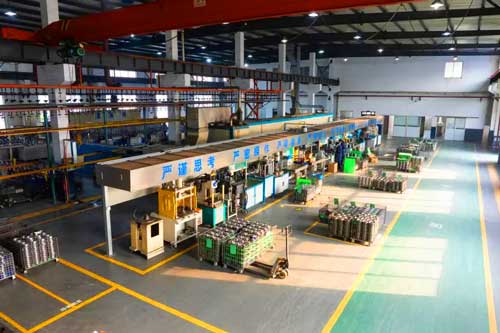
Continuous Operation vs. Standby: Different Demands
In prime power, the damper is constantly shearing the silicone fluid. This generates heat. If the heat dissipation capacity is insufficient, the silicone can overheat, leading to accelerated polymerization. High-quality viscous dampers use optimized housing designs with cooling fins or enhanced surface area to radiate heat. In standby applications, the damper sits idle for weeks, then must perform instantly. Here, seal integrity is paramount. Age and ozone exposure can degrade elastomer seals, leading to fluid loss. Specifying dampers with high-grade FKM (Viton) seals extends shelf life.
In-Depth Technical Analysis: Thermal Management and Remote Monitoring
The energy dissipation equation for a fluid viscous damper under continuous load is P = μ × (Δω)^2 × V. As operating hours accumulate, the silicone fluid’s viscosity gradually increases due to polymer chain cross-linking. In large-scale continuous operating industrial applications, such as stationary gensets and natural gas pumping engines, a fluid-type damper with a bolt-on removable outer housing cover is used. These are intended to be rebuilt with new bearings and silicone on regular intervals. Advanced fleet operators are now integrating remote damper monitoring. By installing temperature sensors on the damper housing connected to the genset’s SCADA system, operators can track thermal performance in real-time. A sudden 15-20°C temperature rise at constant load is a definitive indicator of fluid degradation or seal failure, allowing for predictive maintenance scheduling before catastrophic failure occurs. This approach reduces unplanned downtime from an average of 3-5 days to zero.
Selecting the Correct Damper for Your Genset
- For Standby: Look for time-based replacement recommendations (8-10 years).
- For Prime Power: Prioritize thermal stability and rebuildable designs.
FAQ: Generator Fluid Damper Sourcing
What is the replacement interval for a generator damper?
Vibratech TVD’s general guideline is 25,000 hours for stationary engines and gensets. If the damper has an inspection plug, silicone should be sampled and analyzed at 10,000-15,000 hours.
Can a fluid damper be used on a bi-fuel generator?
Yes. However, different fuels (natural gas vs. diesel) have different combustion characteristics, affecting torsional excitation. Ensure the Supplier validates the damper for your specific fuel type and mixture.
What happens if the silicone fluid leaks out?
Loss of fluid results in zero damping capacity, leading to immediate risk of crankshaft failure. The engine will exhibit severe vibration. Stop the generator immediately and replace the damper.
Do you offer private labeling for generator distributors?
Yes, as an OEM/ODM Manufacturer, we offer private labeling with your brand, custom packaging, and specific torque specifications printed on the unit for installer convenience.
Why are China Suppliers competitive for generator dampers?
China-based Factories have mastered vertical integration (casting, machining, assembly), offering IATF 16949 quality at lower cost. As a Wholesaler, we provide fast lead times and low MOQs for custom projects.
What documentation is required for a generator rebuild kit?
You should request a Certificate of Analysis (COA) for the silicone fluid, dynamic balance report, and material certifications for the housing and inertia ring.
Sources: Vibratech TVD Oil & Gas Series, SAE J2481, EGSA Technical Bulletins.

 Español
  English
  简体中文
简体中文  Français
  Deutsch
  العربية
  한국어
한국어  Русский
  Português
  Tiếng Việt
  Italiano
  Maithili
  ไทย
ไทย  Türkçe