For procurement professionals, sourcing a fluid viscous damper (also called a viscous damper, fluid damper, or harmonic damper pulley) requires evaluating technical capability beyond price. Unlike sourcing a standard crank pulley harmonic balancer, a fluid viscous damper is a safety-critical component. A failed unit leads to catastrophic engine damage, warranty claims, and reputational risk. This manual provides a structured framework for auditing potential Suppliers and Manufacturers in China, focusing on IATF 16949 certification, in-house testing, and vertical integration.
When sourcing a fluid viscous damper manufacturer in China, verify IATF 16949 certification, in-house dynamic balancing and torsional fatigue testing, full material traceability, and documented Statistical Process Control (SPC) for silicone filling. Request a facility tour to confirm vertical integration from casting to assembly.
Como China-based Fabricante y Proveedor, we welcome B2B buyers to audit our IATF 16949-certified Fábrica. We offer Personalizable OEM/ODM services, including private labeling and custom inertia tuning. As a direct Mayorista, we provide volume pricing, inventory management programs, and global logistics support for distributors and large fleets.
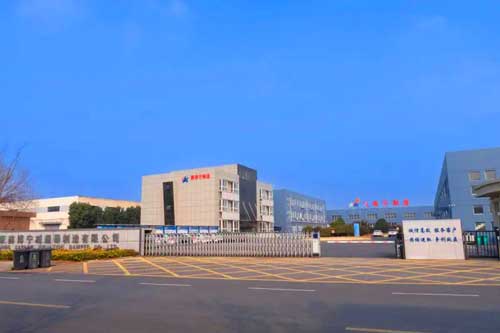
For B2B buyers, selecting a supplier goes beyond price—it requires a holistic assessment of operational reliability, technical capability, and long-term partnership potential. Key manufacturing hubs for damper production in China include the Pearl River Delta (innovation and export excellence) and the Yangtze River Delta (scale and supply chain integration). IATF 16949 certification with scope covering viscous damper manufacturing is the minimum qualification for automotive or heavy-duty applications.
What Are the Critical Supplier Qualification Criteria?
Here are six questions every procurement manager should ask: What certifications do you carry? IATF 16949 is mandatory for automotive. How do you trace your materials? A solid supplier will track materials by lot, document every shift, and be able to identify any quality concerns before they reach you. What does your quality control process include? Do they test every run or just spot check? The more detail you get here, the more confident you can be in their consistency. Can you meet our spec tolerances? The right answer includes examples and data. What is your average on-time delivery rate? If a part arrives late, it doesn’t matter how good it is. What happens if something goes wrong? This is where real suppliers stand out. Do they offer root cause analysis?
In-Depth Technical Analysis: Testing Infrastructure Requirements
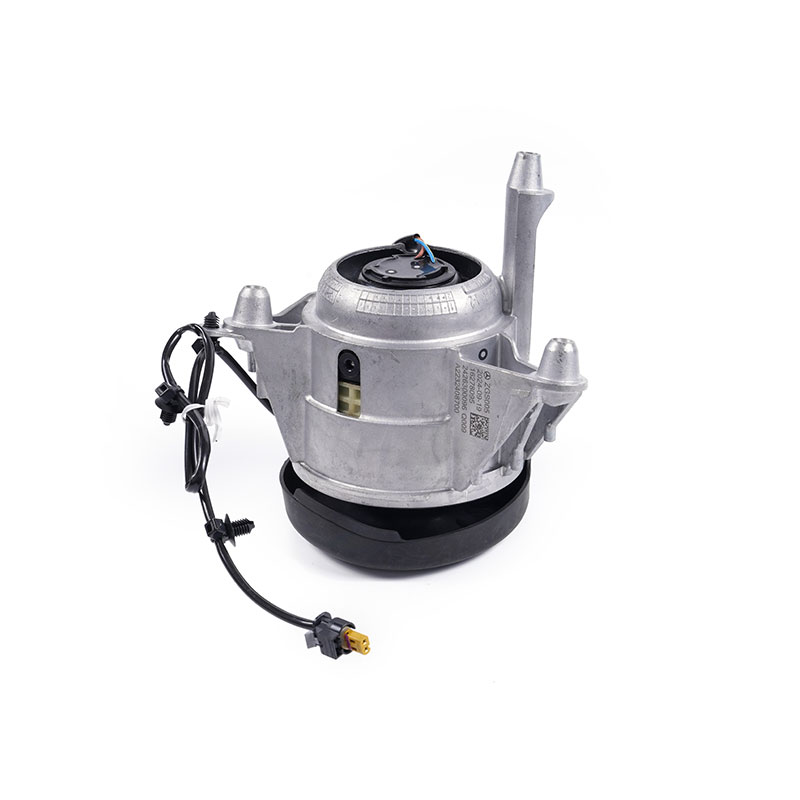
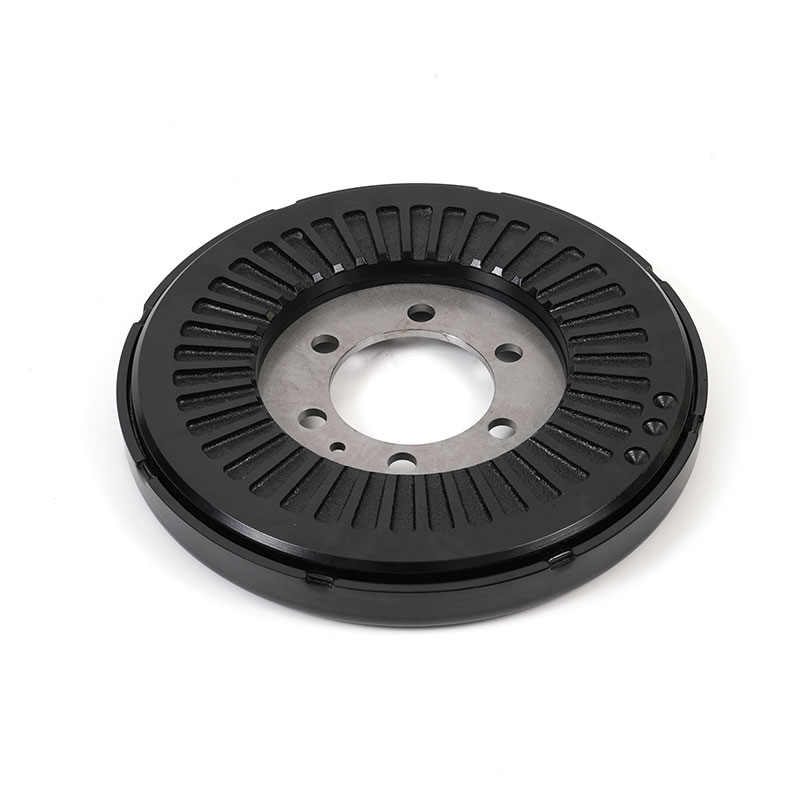
A qualified fluid viscous damper Factory must have in-house testing capabilities. This includes: Two-plane Dynamic Balancing Machines (ISO 1940 G6.3 or better), Torsional Fatigue Testers (10 million cycle validation), Environmental Chambers (-40°C to 150°C), and Burst Speed Testing (125% of max RPM). Without these, the supplier cannot verify performance. The machining tolerances, bearing material and silicone grade of a viscous damper are all very critical to performance. Large oil and gas industry service providers and parts distributors may establish routine damper inspection and service programs based on individual business needs. The next step is ensuring an adequate supply of engine dampers in inventory. Engine rebuild kits often do not come with a damper and it is a component you’ll want to include during the same time allotment as it will take advantage of minimal additional labor hours.
China Sourcing Strategy and Logistics
China remains the world’s largest manufacturing hub for dampers. When evaluating a China Supplier, consider: Minimum Order Quantity (MOQ) (typically 10-100 units for standard applications), Lead Time (15-30 days for stock, 45-90 days for OEM/ODM custom projects), and Payment Terms (L/C, T/T, or trade assurance). For bulk wholesale purchasing, requesting a sample batch for independent lab testing is strongly recommended.
FAQ: B2B Fluid Damper Sourcing
What is the typical MOQ for OEM/ODM viscous dampers?
For custom OEM/ODM projects, MOQ typically starts at 50-100 units depending on complexity. For standard stock applications, MOQ can be as low as 10-20 units for wholesale purchasing.
How do I verify that a China Manufacturer holds valid IATF 16949?
Solicite una copia del certificado y verifique que el alcance incluya explícitamente la fabricación de amortiguadores viscosos o amortiguadores de fluido. Verifique la validez en la base de datos de IATF si es posible.
¿Cuál es la diferencia entre un Mayorista y un Fabricante directo?
Un Fabricante directo controla el proceso de producción y ofrece mejores precios y control de calidad. Un Mayorista puede comercializar productos de múltiples fábricas. Para componentes críticos, siempre compre directamente de un Fabricante certificado en IATF 16949.
¿Puede proporcionar muestras antes del pedido al por mayor?
Sí, la mayoría de los Proveedores acreditados ofrecen unidades de muestra. El plazo de entrega de muestras suele ser de 15 a 30 días. El costo de la muestra generalmente se deduce del total del pedido al por mayor.
¿Cuál es el plazo de entrega típico para un amortiguador de fluido personalizable?
Para un diseño personalizado (inercia única, patrón de pernos personalizado), espere de 45 a 90 días desde la aprobación del diseño hasta el primer envío, incluido el prototipado y la validación.
¿Cómo gestiono las reclamaciones de garantía para amortiguadores exportados?
Establezca un proceso de RMA claro con su Proveedor. Un Fabricante de calidad ofrecerá análisis de causa raíz y reemplazo rápido para defectos validados. Documente todos los modos de falla con fotografías e informes.
Fuentes: IATF 16949:2016, Manual de SPC de AIAG, Guía de Abastecimiento Estratégico de Alibaba (2025), Pautas de Evaluación de Proveedores de Brown Company.

 Español
  English
  简体中文
简体中文  Français
  Deutsch
  العربية
  한국어
한국어  Русский
  Português
  Tiếng Việt
  Italiano
  Maithili
  ไทย
ไทย  Türkçe