For engineers and technical buyers, the choice between a fluid damper and a rubber elastomer damper is not just about cost—it is about physics. A viscous damper (also called a fluid viscous damper أو مخمد اهتزاز العمود المرفقي للمحرك) uses silicone fluid to provide broadband torsional control across all RPMs. In contrast, a rubber الرافعة المخمدة للاهتزازات (بكرة ممتص الاهتزازات التوافقية) أو crank pulley harmonic balancer is tuned to a single frequency and degrades with heat. This technical guide explains the engineering principles behind viscous damping and why it is the superior choice for heavy‑duty, marine, and high‑performance applications.
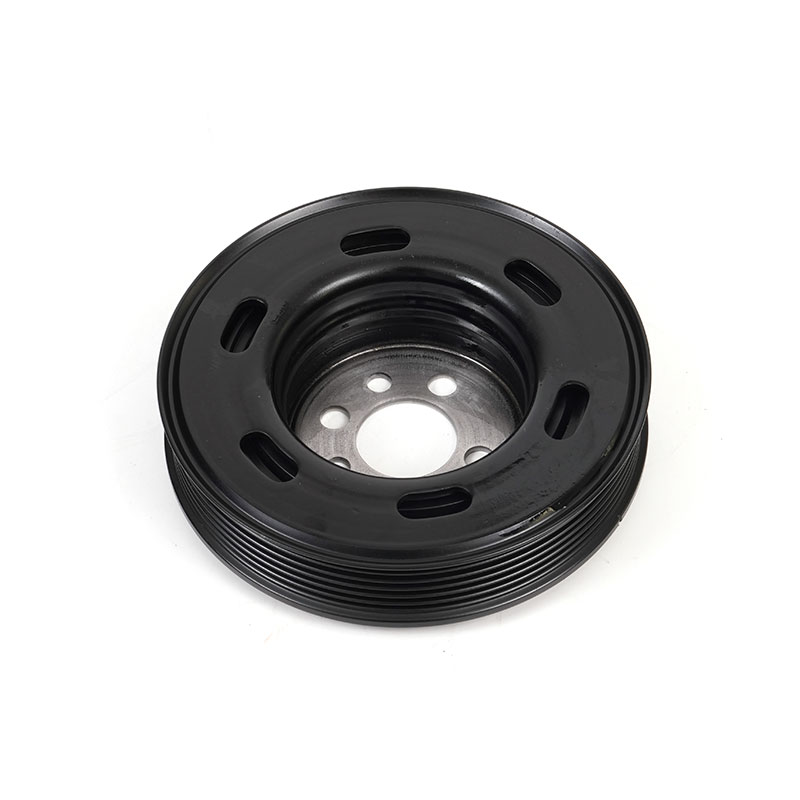
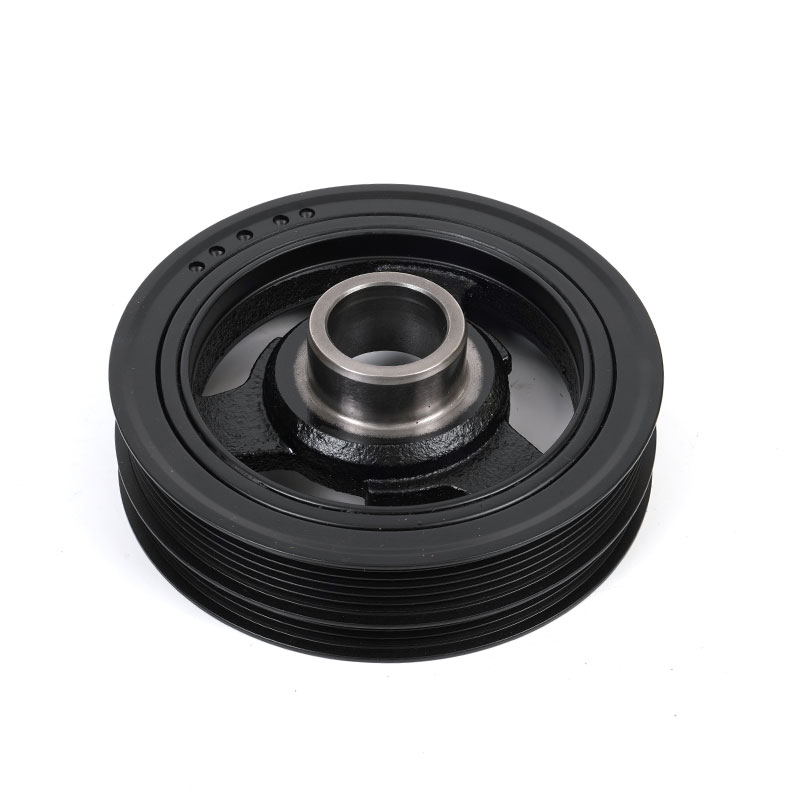
A fluid viscous damper uses a free‑floating inertia ring submerged in high‑viscosity silicone oil. As the crankshaft twists from cylinder firing, the ring shears through the fluid, converting torsional kinetic energy into low‑grade heat. This provides self‑tuning, broadband damping across all engine orders, unlike rubber dampers that are effective only at one tuned frequency and degrade rapidly under heat.
Auramaia is a China‑based الشركة المصنعة و المورد of fluid viscous dampers for OEM, aftermarket, and industrial customers. Our حلولاً قابلة للتخصيص تصنيع المعدات الأصلية/التصنيع حسب الطلب engineering team uses Holzer calculations and FEA to optimise damping for each engine application, supported by in‑house torsional fatigue testing to 20 million cycles.
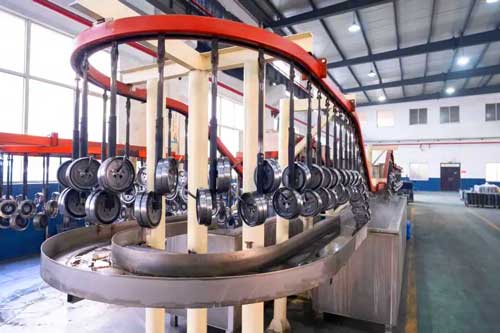
The Physics of Torsional Vibration and Damping
Every internal combustion engine produces torsional vibration—the end‑to‑end twisting and rebounding of the crankshaft caused by the firing sequence. At resonant speeds, the amplitude of this twist can increase by a factor of 10 to 50, rapidly exceeding the crankshaft’s fatigue endurance limit. A crankshaft vibration damper adds mass and damping to the system, shifting natural frequencies and absorbing energy. As Vibratech TVD explains, uncontrolled torsional vibration is harsher under load and as power levels increase, making effective damping essential for engine longevity.
Deep Dive: Fluid Dynamics of Silicone Shear
The silicone oil in a viscous damper exhibits non‑Newtonian shear‑thinning behaviour. Under the high shear rates generated during peak torsional spikes, the fluid’s apparent viscosity drops slightly, reducing parasitic drag and allowing the inertia ring to respond quickly. Under steady‑state operation, the viscosity normalises, maintaining consistent damping. This self‑tuning mechanism is described by the power‑law model: τ = K·γⁿ, where τ is shear stress, γ is shear rate, and n is the flow index (<1 for shear‑thinning). The reliable operation of a silicone‑type viscous damper depends entirely on the ability of the silicone oil to absorb the energy of torsional vibrations through this shear flow. A 2023 study published in Polish Maritime Research confirmed that the non‑Newtonian properties of the oil are the key to effective broadband damping. By contrast, a rubber elastomer damper is a tuned mass absorber: the rubber ring acts as a spring connecting the hub to the inertia ring. It provides maximum damping at exactly one frequency. At all other RPMs, effectiveness drops sharply. Moreover, rubber hardens with heat, permanently changing its stiffness and shifting the tuned frequency away from the target.
Fluid Viscous vs. Elastomer: A Direct Comparison
| الخصائص | مثبط لزوجة سائل | مخمد المطاط الصناعي (المطاط) |
|---|---|---|
| Damping bandwidth | Broad (effective all RPMs) | Narrow (tuned to one frequency) |
| Temperature range | -40°C إلى +150°C | -20°C to +100°C (max 110°C with synthetic) |
| Service life (heavy‑duty) | 500,000 ميل / 15,000 ساعة | 80,000‑150,000 miles |
| Failure mode | البلمرة التدريجية للسائل (غير مرئية) | تشقق المطاط المرئي، وفصل الالتصاق، والتصلب |
| التأثير على المحركات المعدلة | ضبط ذاتي؛ يتكيف مع التغيرات | يتطلب إعادة ضبط؛ غير متطابق إذا تم تعديل المحرك |
لماذا يعد التخميد عريض النطاق مهماً في التشغيل الفعلي
يعمل مثبط المطاط بشكل جيد عند ترتيب محرك محدد تم ضبطه له - على سبيل المثال، الترتيب الرابع لديزل رباعي الأسطوانات عند سرعة الدوران المبحرة. ولكن عندما يتسارع المحرك أو يبطئ أو يدور في وضع الخمول، يعمل المثبط خارج نطاقه الأمثل. هذا هو السبب في أن العديد من الأساطيل تعاني من ضوضاء الترس الأمامية عند الخمول حتى مع مثبط مطاطي جديد. في المقابل، يتحكم مثبط السائل اللزج في جميع الترددات في وقت واحد. كما يوضح إيفان سنايدر من فلودامبر: “يمكن للمثبط اللزج التحكم في جميع الترددات في نطاق دورات المحرك بالكامل.” وهذا يعني خمولًا أكثر هدوءًا، وتسارعًا أكثر سلاسة، وحمايةً ثابتة بغض النظر عن الحمل أو السرعة.
الميزة الحرارية للتخميد بالسوائل
الحرارة هي عدو المطاط. تحت حمل كامل مستمر - مثل شاحنة تتسلق ممرًا جبليًا أو مولد يعمل بقوة أساسية - يمكن أن يتجاوز عنصر المطاط في مثبط المطاط 100 درجة مئوية، مما يُسرع من عملية التصلب والتشقق. ومع ذلك، يظل سائل السيليكون ثابتًا حتى 150 درجة مئوية. كما يقوم السائل بتوصيل الحرارة بعيدًا عن حلقة القصور الذاتي وإلى الغلاف، حيث يتم تبديدها بواسطة تدفق الهواء. هذا الثبات الحراري هو السبب في أن تطبيقات البحرية والمولدات تحدد بشكل شبه حصري مثبطات السوائل اللزجة.
الأسئلة الشائعة: الهندسة التقنية
هل يمكن إصلاح مثبط السائل اللزج أو إعادة بنائه؟
نعم، تتميز بعض مثبطات الصناعة ذات الإطار الكبير بغطاء يُثبت بالمسامير لأخذ عينات من السائل واستبداله. مثبطات الشاحنات الثقيلة القياسية هي وحدات محكمة الإغلاق مصممة للاستبدال بدلاً من الإصلاح. تقدم أورامايا خدمات إعادة البناء لنماذج صناعية مختارة.
كيف يؤثر التشغيل على البارد على مثبطات السائل اللزج؟
يحافظ سائل السيليكون على لزوجة ثابتة حتى -40 درجة مئوية، مما يوفر تخميدًا فوريًا عند بدء التشغيل على البارد. على عكس مثبطات المطاط، التي تصبح صلبة وهشة في الظروف المتجمدة، لا تتطلب مثبطات السائل فترة تسخين لحماية عمود المرفق.
What is the shelf life of a fluid damper before installation?
عند تخزينه بشكل صحيح في بيئة جافة وخاضعة للتحكم المناخي، لا يتحلل سائل السيليكون. ومع ذلك، قد تجف حواشي المطاط المانعة للتسرب على مدى فترة تخزين طويلة. نوصي بتدوير المخزون سنويًا وتركيبه خلال 5 سنوات من التصنيع.
كيف تحسب القصور الذاتي الصحيح لمحرك مخصص؟
يستخدم مهندسونا طريقة هولزر، التي تمثل عمود المرفق كنظام مرن متعدد الكتل. تتراوح نسبة القصور الذاتي المستهدفة (قصور المثبط ÷ قصور نظام عمود المرفق) عادةً بين 0.6 و 1.2 للتحكم الأمثل. ثم نقوم بالتحقق من صحة التصميم باستخدام تحليل العناصر المحددة واختبار إجهاد الالتواء.
ما هي معايير الاختبار التي تتبعونها؟
نلتزم بـ SAE J2481 لاختبار إجهاد الالتواء (10-20 مليون دورة)، وISO 1940-1 للموازنة الديناميكية (G6.3 أو G2.5)، وIATF 16949 لإدارة الجودة. كل مثبط إنتاجي يتم اختبار تسريبه بمواصفات 100% ويتم موازنته بالدوران.
المصادر: Polish Maritime Research (2023)؛ Fluidampr PRI Show 2016؛ منشورات Vibratech TVD التقنية؛ معايير اختبار SAE J2481.
 العربية
  English
  简体中文
简体中文  Español
  Français
  Deutsch
  한국어
한국어  Русский
  Português
  Tiếng Việt
  Italiano
  Maithili
  ไทย
ไทย  Türkçe