
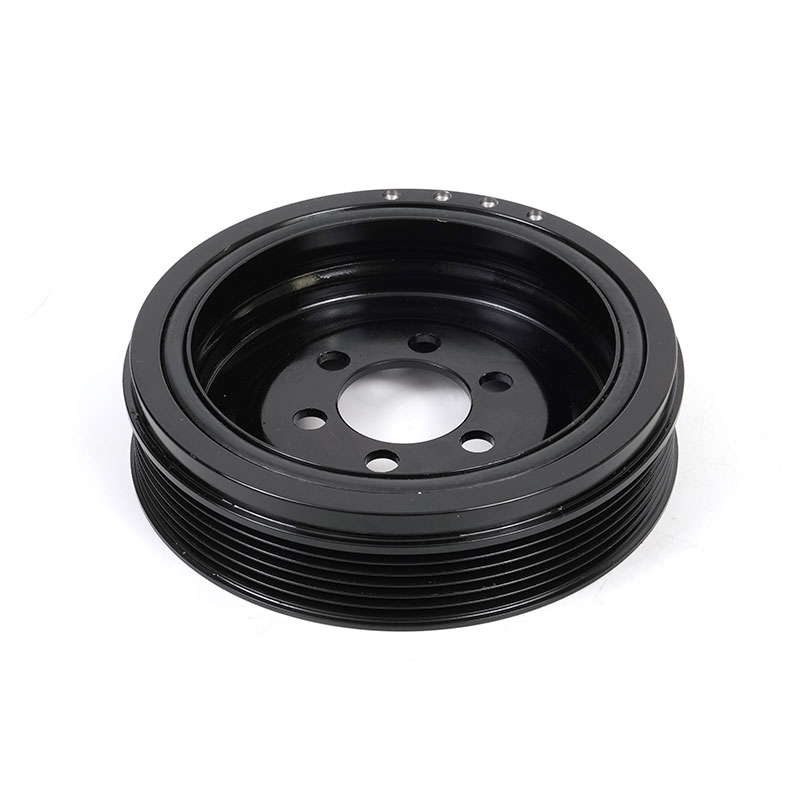
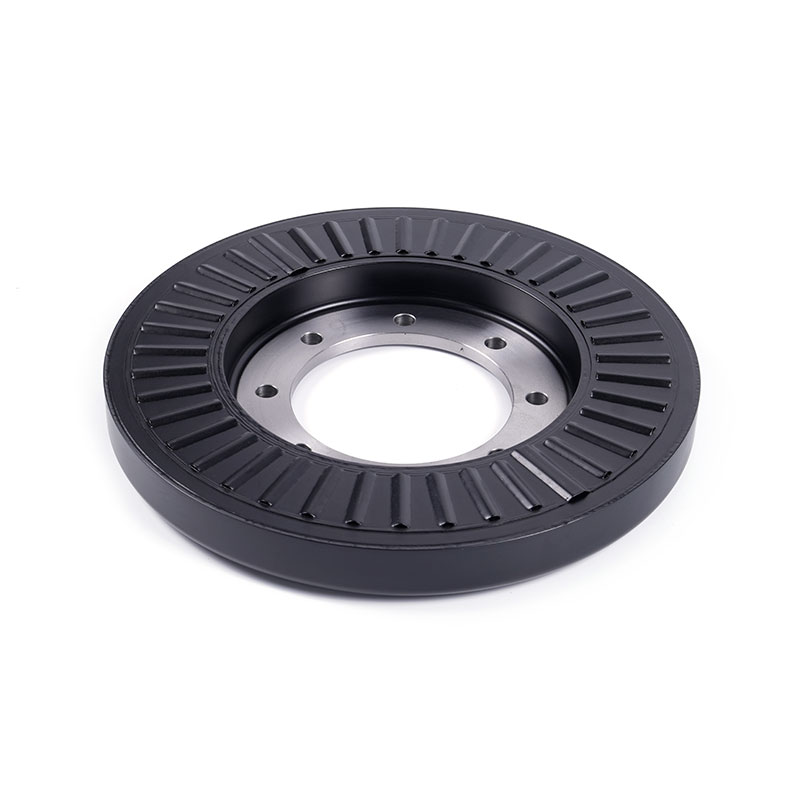
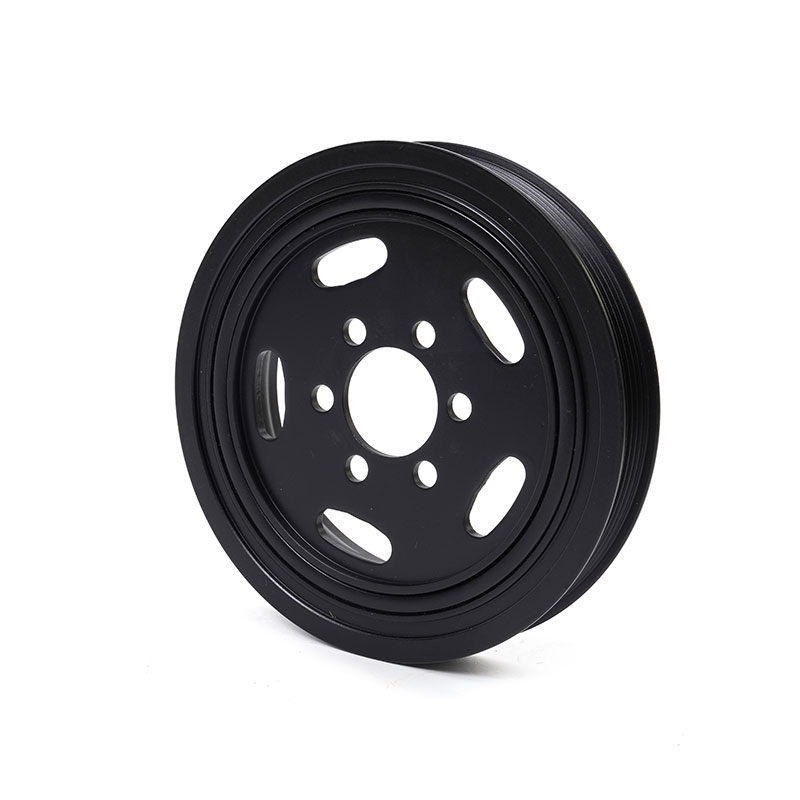
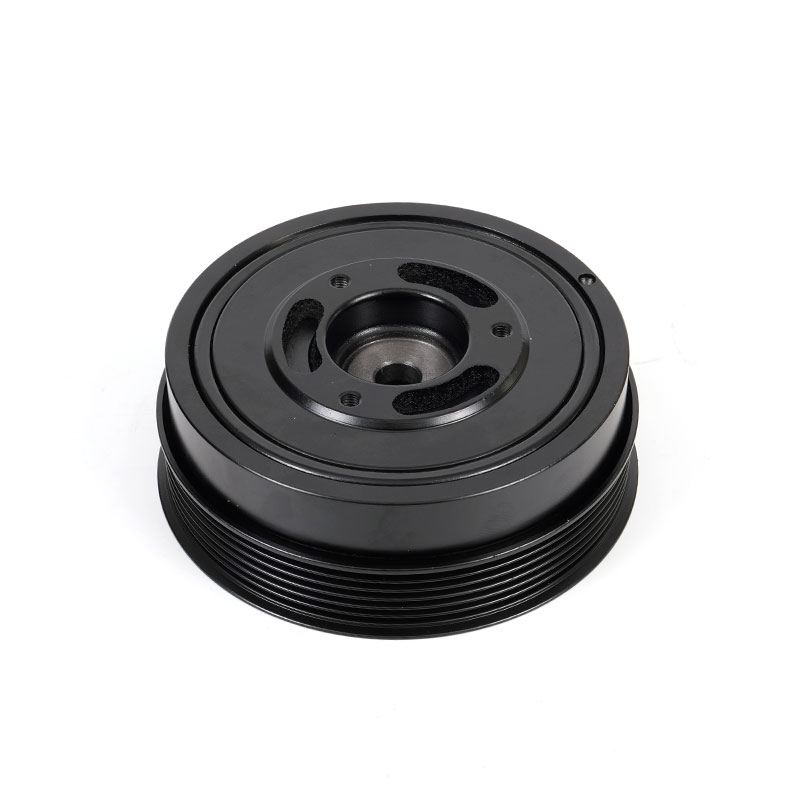
For fleet managers, a fluid damper (often called a viscous damper or fluid viscous damper) mounted on the Cummins, Detroit, or Caterpillar engine is critical for avoiding catastrophic failure. While a standard crank pulley harmonic balancer only transfers power, a heavy-duty fluid viscous damper protects the crankshaft from torsional twisting caused by high cylinder pressures. Ignoring this component leads to bearing wear, gear train noise, and eventually a broken crankshaft costing over $25,000 in downtime and repairs.
Industry data recommends replacing heavy-duty fluid viscous dampers at 500,000 miles or 15,000 operating hours. Failure to replace leads to silicone fluid hardening, causing loss of damping. This increases torsional stress, resulting in broken crankshafts, gear train wear, and unscheduled downtime costing fleets thousands in towing and repairs.
As a reliable المورد و تاجر جملة of fluid viscous dampers from الصين, we serve Class 8 fleets and heavy-duty distributors. Our الشركة المصنعة direct pricing includes IATF 16949-certified quality, full traceability, and حلولاً قابلة للتخصيص تصنيع المعدات الأصلية/التصنيع حسب الطلب options for private labeling. We stock high-demand applications for Cummins ISX/X15, Detroit Series 60, and Caterpillar C15 with fast lead times.
For B2B fleet buyers, the financial case for proactive replacement is clear. Standard engine rebuild kits often exclude the damper, yet replacing it during an in-frame overhaul adds minimal labor. Vibratech TVD’s general guideline is 25,000 hours for stationary gensets and 500,000 miles or 15,000 hours for over-the-road Class 8 trucks. In severe duty applications (logging, mining, high-horsepower above 600), dampers may require earlier replacement, with severe duty units offering 37% more mass for increased durability.
Why Does Silicone Wear Out in Heavy Duty Applications?
While silicone is a superior damping medium, in heavy-duty applications it will eventually wear out from normal operating conditions. Over an extended period, the silicone gradually hardens. If the viscous damper is not replaced or refurbished, the silicone could polymerize into a solid paste and lock the internal inertia ring. Regular damper replacement or refurbishing is critical to longer engine life. Signs of wear include loosening or broken bolts, throwing or slapping belts, broken accessory brackets, accessory drive gear wear, loss of torque and horsepower, loss of fuel economy, driver fatigue, and excessive bearing wear.
In-Depth Analysis: Calculating Downtime Costs and ROI
To justify a proactive viscous damper replacement program, fleet managers must quantify the Total Cost of Ownership (TCO). Consider a typical Class 8 truck generating $1.00 per mile in revenue. A catastrophic crankshaft failure results in: Emergency towing ($1,200), Replacement crankshaft and bearings ($5,000-$8,000 parts), Labor (30-40 hours at $150/hr = $4,500-$6,000), Downtime (5-7 days = $5,000-$7,000 lost revenue). Total estimated failure cost: $15,000 – $22,000 per incident. A proactive replacement of a fluid viscous damper costs approximately $500-$1,000 (parts) plus 2 hours of labor ($300). The proactive approach costs $800-$1,300 versus $15,000-$22,000 for reactive failure.
For a fleet of 100 trucks, assuming 1% annual failure rate (one engine), the proactive program saves at least $14,000 annually. However, studies show that fleets without proactive damper replacement see failure rates as high as 5% in severe duty cycles, making the savings exponentially higher. Beyond direct costs, fluid viscous dampers improve fuel economy by stabilizing timing scatter and reducing parasitic drag from belt slap, offering a 0.5-1% fuel economy improvement, translating to thousands in annual fuel savings.
Field Inspection Protocol for Fleet Technicians
- Visual Check: Look for fluid leaks around the housing weld or bulging cover. Any dent or leak warrants immediate replacement.
- Temperature Test: After full load operation, use an IR thermometer. A damper running significantly hotter than ambient suggests internal fluid degradation.
- Noise Assessment: استمع لخشخشة أو طرق ناقل الحركة عند الخمول.
الأسئلة الشائعة: صيانة الأسطول واستبدال المخمد اللزج
ما هي الفترة الزمنية الدقيقة لاستبدال المخمد اللزج لمحرك كمنز ISX؟
لمحركات كمنز ISX/X15، الفترة الموصى بها هي 500,000 ميل أو خلال أول إصلاح داخلي للإطار، أيهما يأتي أولاً. الظروف التشغيلية القاسية (600+ حصان، قطع الأخشاب/التعدين) قد تتطلب الاستبدال عند 350,000 ميل.
هل يمكنني استبدال مخمد مطاطي بمخمد لزج سائل؟
نعم، بشرط توافق واجهة التثبيت والعطالة. المخمدات السائلة توفر تحكمًا متفوقًا عريض النطاق وعمرًا أطول. تأكد دائمًا من المورد أن المخمد السائل معتمد لنموذج محركك المحدد.
كيف أعرف أن مخمدي اللزج قد تعطل؟
من مؤشرات التعطل الشائعة: بقايا سائل مرئية على الغلاف، انتفاخ لوحة الغطاء، أو ترجرج مفرط. الأعراض على المحرك تشمل طرقًا من المقدمة، صرير الأحزمة، أو اهتزازات عند سرعات دورانية محددة.
هل يتطلب المخمد السائل عزم تثبيت مختلف عن المورد الأصلي؟
اتبع دائمًا مواصفات عزم المحرك من الشركة المصنعة. استخدم براغي تثبيت جديدة، حيث أن براغي المخمدات تكون من نوع عزم الاستسلام وللاستخدام لمرة واحدة في معظم التطبيقات الثقيلة.
ما هي ميزة توريد المخمدات السائلة من مصنع صيني؟
تقدم المصنعون الصينيون جودة معيار IATF 16949 بأسعار تنافسية. كموزع بالجملة، نقدم خصومات كمية، تصنيع علامة خاصة (OEM/ODM)، ومخزون للتسليم السريع، مما يقلل تكاليف حمل مخزون الأسطول.
هل يؤثر المخمد على اقتصاد الوقود؟
نعم. المخمد المعطوب يسبب تشتت التوقيت وانزلاق الحزام، مما يقلل اقتصاد الوقود بنسبة 1-2%. المخمد اللزج السائل الذي يعمل بشكل صحيح يحافظ على دقة التوقيت ويقلل الفاقد الطفيلي.
المصادر: نشرات خدمة Vibratech TVD (2024)، الممارسة الموصى بها TMC RP 631، بيانات مسح صيانة الأسطول (2023).
 العربية
  English
  简体中文
简体中文  Español
  Français
  Deutsch
  한국어
한국어  Русский
  Português
  Tiếng Việt
  Italiano
  Maithili
  ไทย
ไทย  Türkçe