Selecting the right viscous damper is more than just picking a part number—it’s about matching engineering specifications to your engine’s real-world demands. Whether you’re designing a new powertrain or replacing an existing damper, these five parameters will guide you to a reliable, high-performance choice.
1. Damping Coefficient & Torque Capacity
The damping coefficient (measured in N·m·s/rad) determines how effectively the damper dissipates energy. Too low, and vibration isn’t controlled; too high, and you may introduce unnecessary drag.
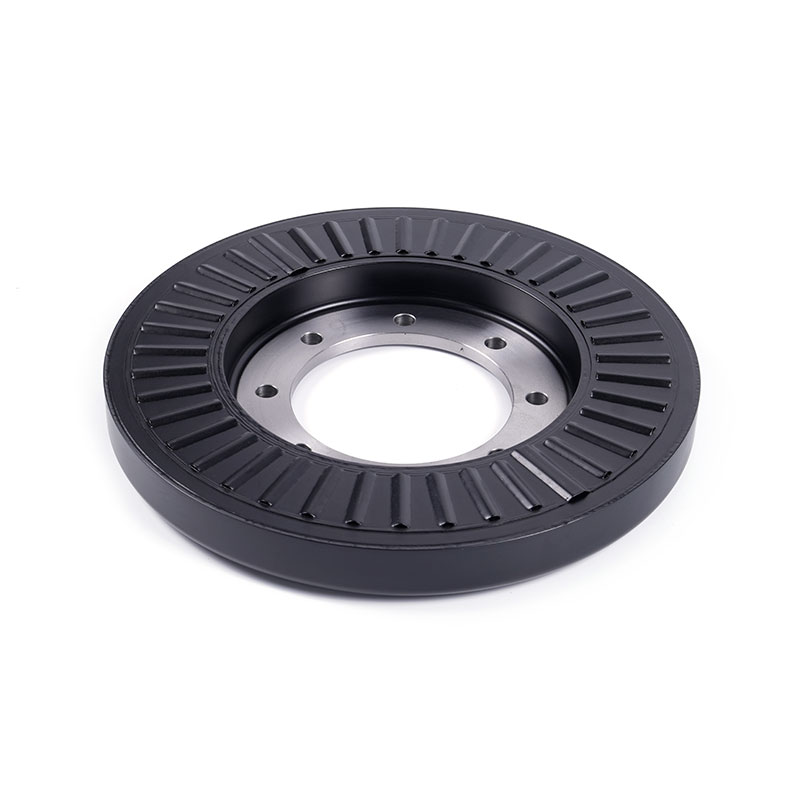
▶ Our 6M5RF model offers an adjustable damping range of 12–18 N·m·s/rad, with a torque capacity of 850–1,200 N·m, making it suitable for mid-to-heavy-duty applications.
2. Operating Temperature Range
Silicone oil viscosity changes with temperature. A wider operating range ensures consistent damping in both cold starts and high-load conditions.
▶ Our dampers are validated from -40°C to +150°C, ensuring stable performance in extreme environments.
3. Maximum Speed (RPM) & Balance Grade
High-speed operation requires excellent balance to avoid introducing new vibrations. Look for a balance grade of G6.3 or better (per ISO 1940-1).
▶ The 6M5RF is rated for up to 6,500 RPM and undergoes 100% dynamic balancing before shipment.
4. Sealing Integrity & IP Rating
The #1 cause of viscous damper failure is oil leakage. Multi-layer seals (PTFE + spring-enhanced) and a high IP rating (IP67) are critical for durability.
▶ Our sealing process is fully automated and 100% tested under pressure and thermal cycling.
5. Mounting Interface & Dimensional Fit
A mismatch here can lead to installation issues or even unsafe operation. Provide your hub specification, bolt pattern, and spatial constraints to your supplier.
▶ We offer SAE-standard flanges and support custom machining for non-standard interfaces.
Why Testing & Validation Matter
Beyond the datasheet, real-world validation is key. At our facility, every damper batch undergoes:
-
Fatigue testing on dynamic durability testers
-
Thermal shock cycles in environmental chambers
-
Leak testing under vacuum and pressure
-
NVH performance verification on engine test benches
This ensures that the damper not only meets the specs but will perform reliably over its entire service life.
Next Steps
If you’re sourcing viscous dampers for OEM or aftermarket use, work with a manufacturer who can provide:
- Full technical datasheets with validated parameters
- Custom engineering support for special requirements
- Samples for your own bench or engine testing
We invite you to download our viscous damper selection checklist or contact our engineering team for a personalized recommendation.
 English
  简体中文
简体中文  Español
  Français
  Deutsch